
Studies on Malaysian Indian Concerns and Sustainable Development Goals
Call For abstracts
APPGM-SDG 1st Organised Conference on Malaysian Indian Studies and Sustainable Development Goals (SDGs) will be held in Ipoh
28 -29 November 2026
Submit Your Abstract
Background
KNOW MORE ABOUT OUR CONFERENCE
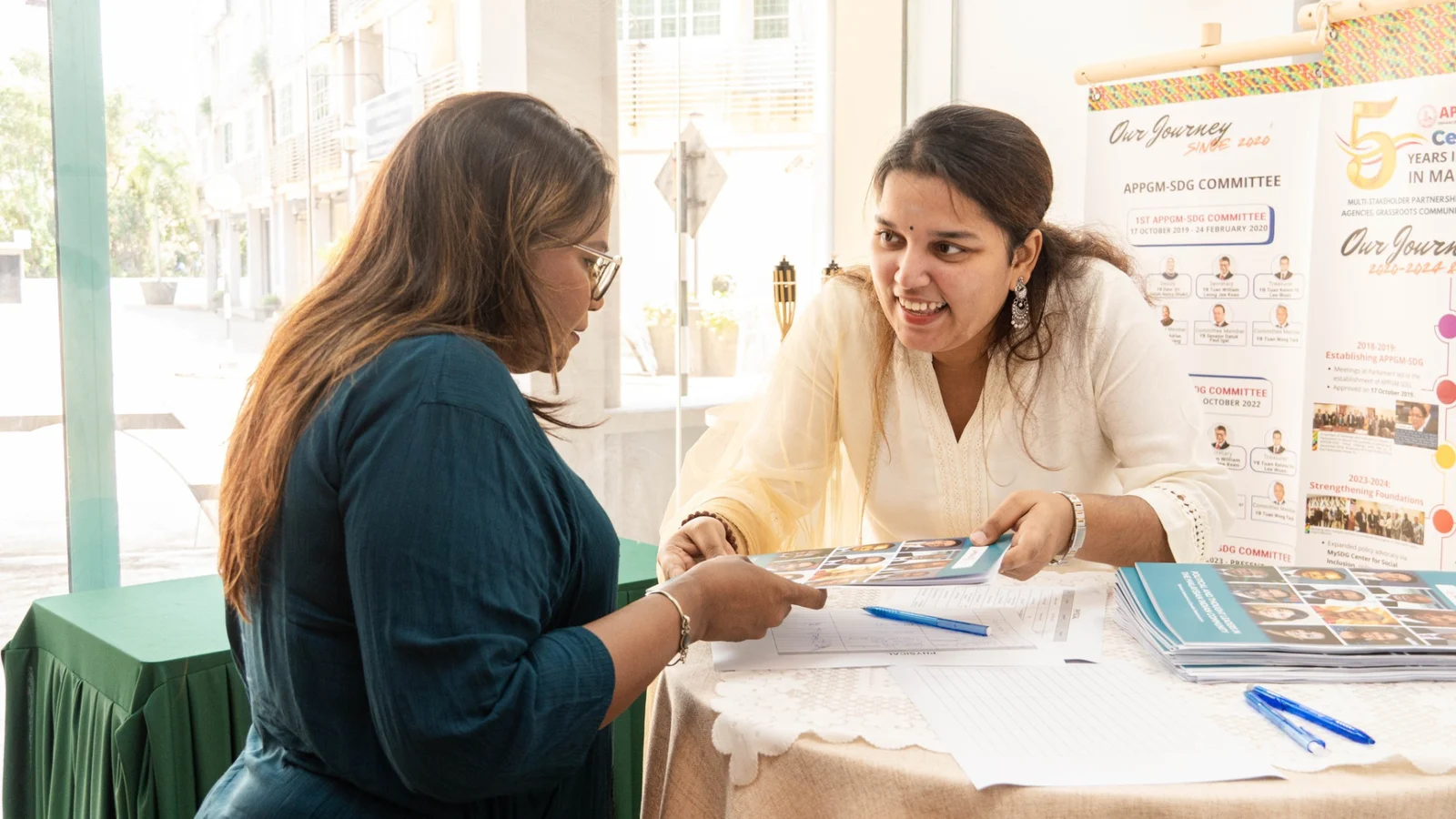
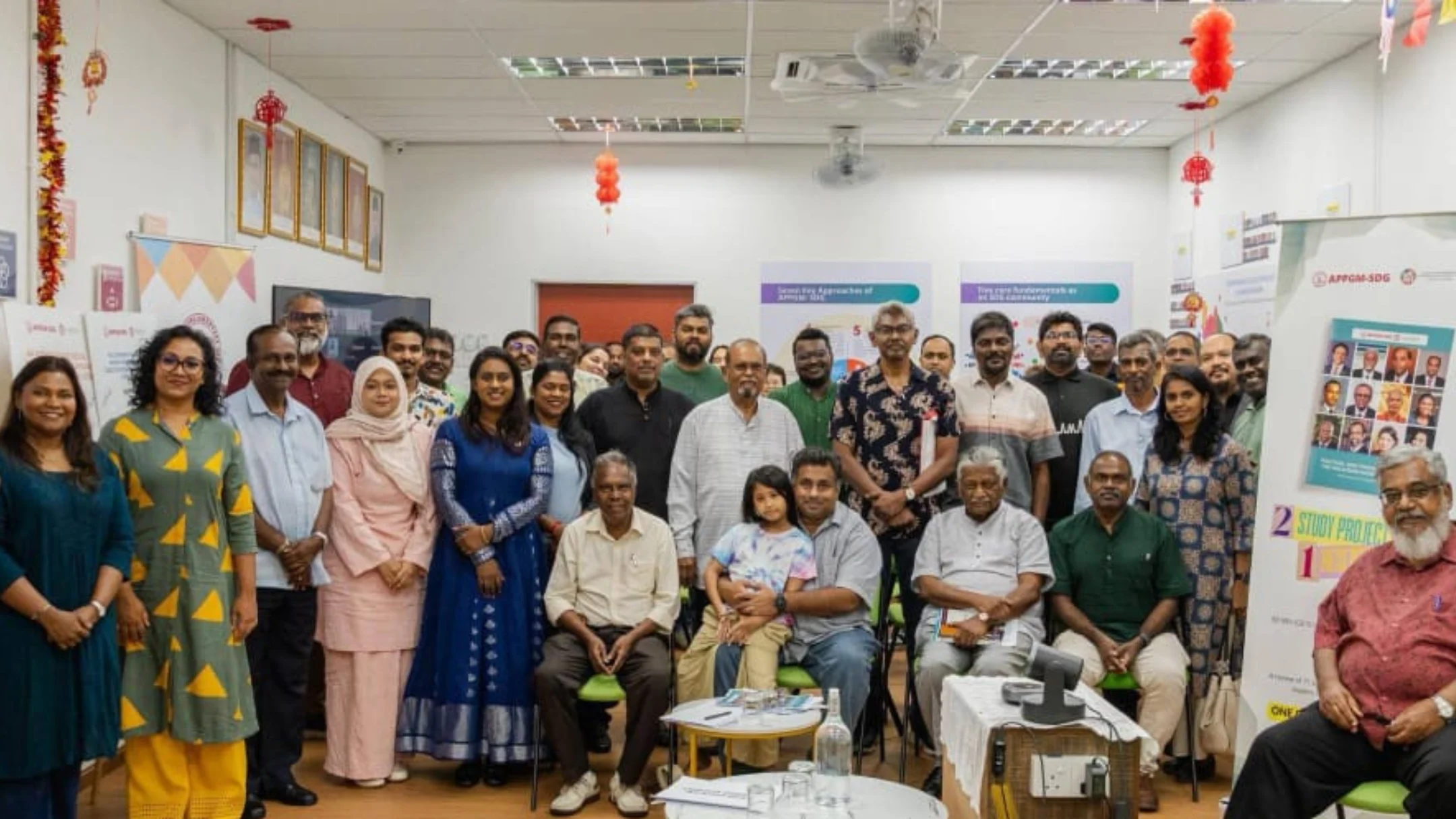
The conference scheduled for 28–29 November 2026 aims to serve as a key platform for scholarly engagement, critical reflection, and forward-looking discussions on issues affecting the Malaysian Indian community and broader sustainable development. Featuring around 20 paper presentations, it will bring together researchers, policymakers, practitioners, community leaders, and emerging scholars, supported by five pre-conference webinars held between July and November 2026 to build momentum and deepen discourse. The conference emphasizes analytical, solution-oriented, and contemporary contributions that go beyond descriptive analysis, encouraging participants to propose practical models, policy ideas, and innovative frameworks for progress. While grounded in the reference document on Political and Thought Leaders, papers should connect past scholarship with present realities and future implications, revisiting earlier insights to generate actionable ideas that promote reform, resilience, inclusion, and sustainable change.
JOIN OUR CONFERENCE
Suggested themes
Political Leadership and Social Change in the Malaysian Indian Community
01.
01.
T1
Review the shift in voting patterns from race‑based parties such as MIC towards multi‑racial parties such as DAP and PKR. Are the interests of the community best represented by which type of party?
T2
How have MPs performed as the opposition in highlighting community concerns in Parliament? What are these concerns?
T3
How have MPs performed when being part of the Federal Government, or when their party was in the state government? How did they resolve Indian community issues such as land for displaced plantation workers, housing for Indians in high‑rise low‑cost flats, improving living conditions in urban poor neighbourhoods, and creating business opportunities?
T4
What has been the role of MPs in SEDIC and later MITRA, which serves as a specific unit within the Federal Government? What role did they play in ensuring that this unit serves the interests of the community and enlarges opportunities?
T5
What are the major problems faced by MPs in carrying out their role in Parliament and the nation, including abuse of power or the impact of corruption?
T6
Are MPs community leaders? Are they representatives of the community in Parliament and government? What is the nature of their leadership of the community, and what must they do to gain the trust and respect of the people?
T7
Why have only two Indian women been elected as MPs, and currently none are in Parliament? Is it due to a lack of interest among women, or because dominant male leadership does not provide opportunities? What are the factors and what can be done to increase this representation to 30%?
T8
The role of media (print and social media, including vernacular media) in popularizing certain concerns such as temple demolition and Tamil school issues over other basic needs such as access to poverty eradication programs, housing, and employment. How do we ensure that community concerns move beyond traditional issues towards broader human well‑being concerns of B40 and urban poor families?
T9
Are political leadership encouraging the Third Sector? What is the role of the third sector in policy advocacy especially NGOs and civil society in shaping Indian development policy?
Thought Leaders and Intellectual Perspectives on Community Development
02.
02.
T1
Write a review of one of the books and the author, indicating its relevance to Malaysian Indians.
T2
Undertake a comparison of a few authors and their writings. Are they similar or different? What are the major themes and what has been done to resolve the concerns highlighted?
T3
Take a thematic approach such as constitutional rights, education, experiences of discrimination, socio‑economic development, women’s empowerment, and leadership roles.
T4
A review of the Hindraf demands, socio‑economic policies and programs submitted to EPU, and the Malaysian Indian Blueprint. You could also refer to GE15 promises. What has been achieved and what are the challenges for Indian concerns within development planning?
T5
Who are the thought leaders in the community? How do the publications and issues they highlight (such as education, class issues, discrimination, minority rights) influence public policy and programs in resolving these concerns? What real issues do they champion?
T6
Review the work of MITRA through one of the publications by drawing out the community concerns and the work undertaken so far. What has been achieved, what are the challenges, and what are the future directions? What is the role of MPs?
T7
Review who Indians are in Malaysia: are they just Tamils, or also Telugus, Punjabis, and Tamil Muslims? There are dedicated books on these sub‑ethnic categories. The British adopted a divide‑and‑rule approach, and a post‑colonial mindset and structure continues to keep communities divided. How does this affect political advocacy, bargaining power, and socio‑economic progress among sub‑ethnic groups?
T8
Do writings or philosophies such as those of Thiruvalluvar, or political and social reformers such as Gandhi, Subash Chandra Bose, Ambedkar, Periyar, and Modi influence Indian political thought in Malaysia? Or do movie stars such as MGR or Vijay have greater influence? What is the political ideology of the 38 elected MPs that of their political parties? What causes are they championing?
T9
What organisational structures have the 38 MPs created as institutional mechanisms, for example Tun Samy Vellu University and MIED, the BN federal agency, the Cabinet Committee, SEDIC/MITRA as a Prime Minister’s Department coordinating unit, and the Malaysian Indian Blueprint as a Federal Government initiative? What are their strengths and weaknesses?
T10
Review the changing family structures. Look at the publications on plantations and migration to urban locations. How Malaysian Indian families have changed from plantation to urban settings. Nuclear families versus extended family support systems. Impact on childcare, eldercare, and youth guidance.
T11
Is the theme of youth aspirations and identity highlighted by any of the thought leaders? Describe their findings if any. The focus on how young Malaysian Indians view identity, politics, and opportunities in Malaysia? Are young Malaysian Indians interested in politics, youth participation in political parties and civil society?
T12
Is the theme of economies and business well documented among thought leaders? This agenda is about economic participation and entrepreneurship. Are there books and studies on Indian SMEs and business development? On barriers to finance and market access? The challenges facing small traders, micro‑businesses, and gig workers? What about the cooperative models for community empowerment? What is the shift of the impact from plantation to urban economic transitions? What of historical economic transformation of Malaysian Indians? What challenges and lessons?
Multi-Dimensional Poverty among the Malaysian Indian Community
03.
03.
T1
Review the poverty measurements used by the government today and the requirements for access to welfare and income‑generating programs. Critically review the programs, achievements, and challenges facing the Indian community. Review the data in the Household Income Survey, the 13th Malaysia Plan, and DOSM data.
T2
Review publications on poverty: which is the best measurement income‑based poverty or multidimensional poverty? Answer the question: what is the nature of Indian poverty within the B40 and among Malaysia’s urban poor? Should we adopt a wider understanding beyond income to include housing, health, education, employment, sense of belonging, and active citizenship?
T3
What are some good practices undertaken by Indian‑based organisations in addressing the complex nature of Indian poverty? What are they doing on the ground? What organisations are involved, what is the size of their outreach, and what are their best practices?
T4
What is the role of MITRA in addressing poverty through developing methodology, accessing poverty data from DOSM and ICU, opening dedicated poverty eradication programs across ministries, monitoring challenges, and undertaking policy advocacy in development planning discussions at EPU and MoF?
T5
One of the key development agendas of the government is the use of the SDGs to monitor development planning using the 17 goals and 169 indicators. Which of these are most relevant for the Malaysian Indian community? How can we localise SDGs and ensure that the principle of leaving no one behind becomes a reality for Malaysian Indians?
T6
Drawing from the mapping reports on local needs at parliamentary constituencies, as well as annual reports on projects and best practice publications by APPGM SDG, writers can identify the local issues documented on the APPGM SDG website. These reports (2020–2025) can provide valuable documentary evidence of the real concerns of ordinary people.
T7
An emerging issue from MPI studies is dysfunctional families, with a high number of females‑headed households experiencing significant economic and social stress. These situations are well documented, including high debt levels, low social protection, limited savings, and major health concerns. Review these studies, examine how the government is addressing these issues, and analyse the role played by community and faith‑based organisations. What best practices exist and what policy recommendations can be made?
T8
Review the publications and thoughts on the role of religion and faith-based institutions such as temples, churches, and mosques as centres of social welfare, learning centres and community development. How are faith‑based organizations supporting vulnerable families and communities?
Why join?
This is more than just a conference — it’s a platform to:
Share your ideas and research
Engage in impactful SDG discussions
Connect with thought leaders, policymakers & changemakers
Contribute towards real solutions for the future
ABStract
A brief overview summarising the purpose, approach, and key outcomes of your study, highlighting its relevance to the conference theme and SDGs.
Maximum 300 words
Include 3–5 keywords
Written in English and Bahasa Melayu
Maximum 300 words
Include 3–5 keywords
Written in English and Bahasa Melayu
Include relevance to the conference theme and SDGs
Clearly state background, objective, methodology, and key findings
Include relevance to the conference theme and SDGs
Use the guidelines and choose the suggested topics under the three thematic areas
PUBLICATION
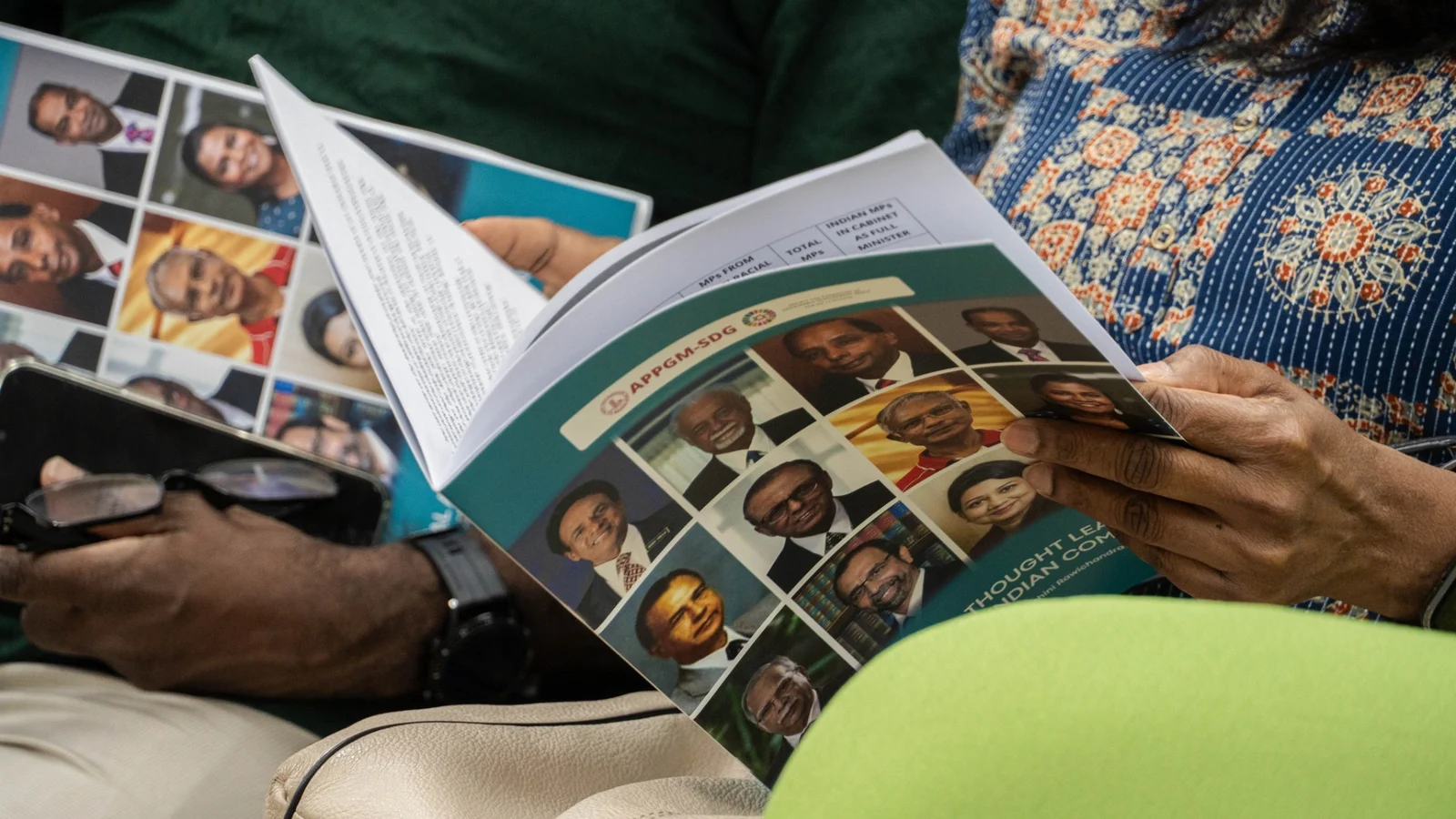
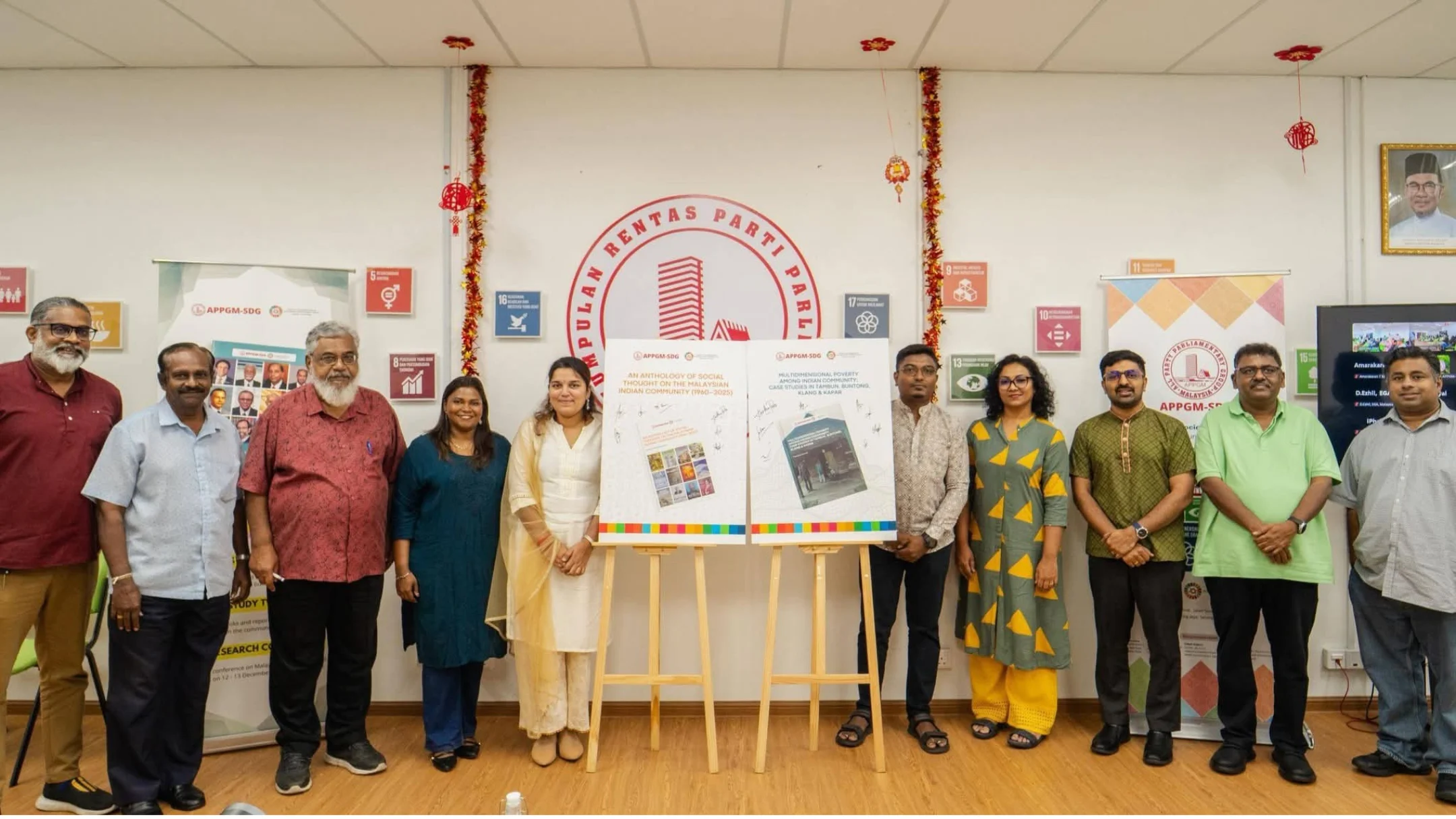
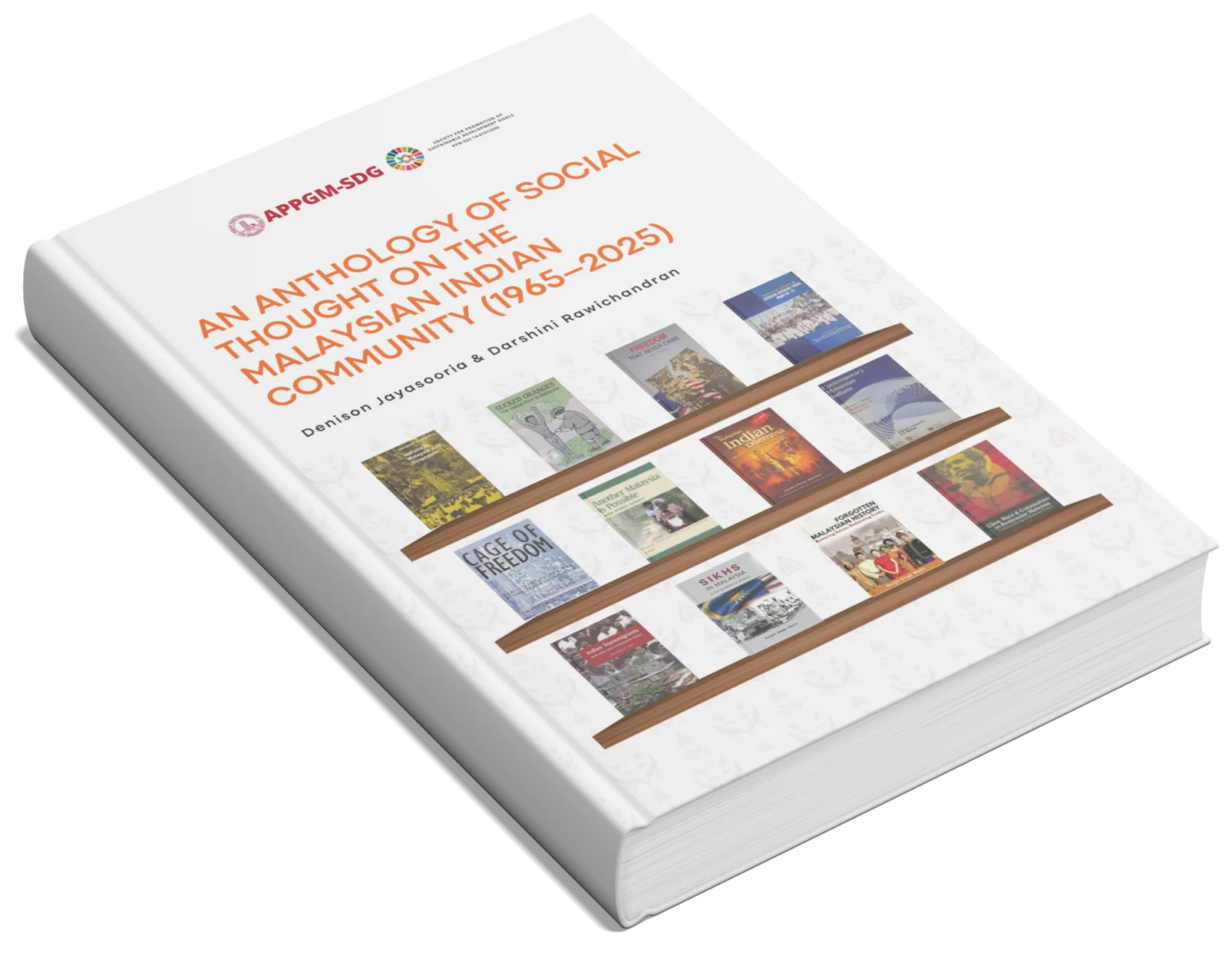
An Anthology of Social Thought on the Malaysian Indian Community (1965–2025) &
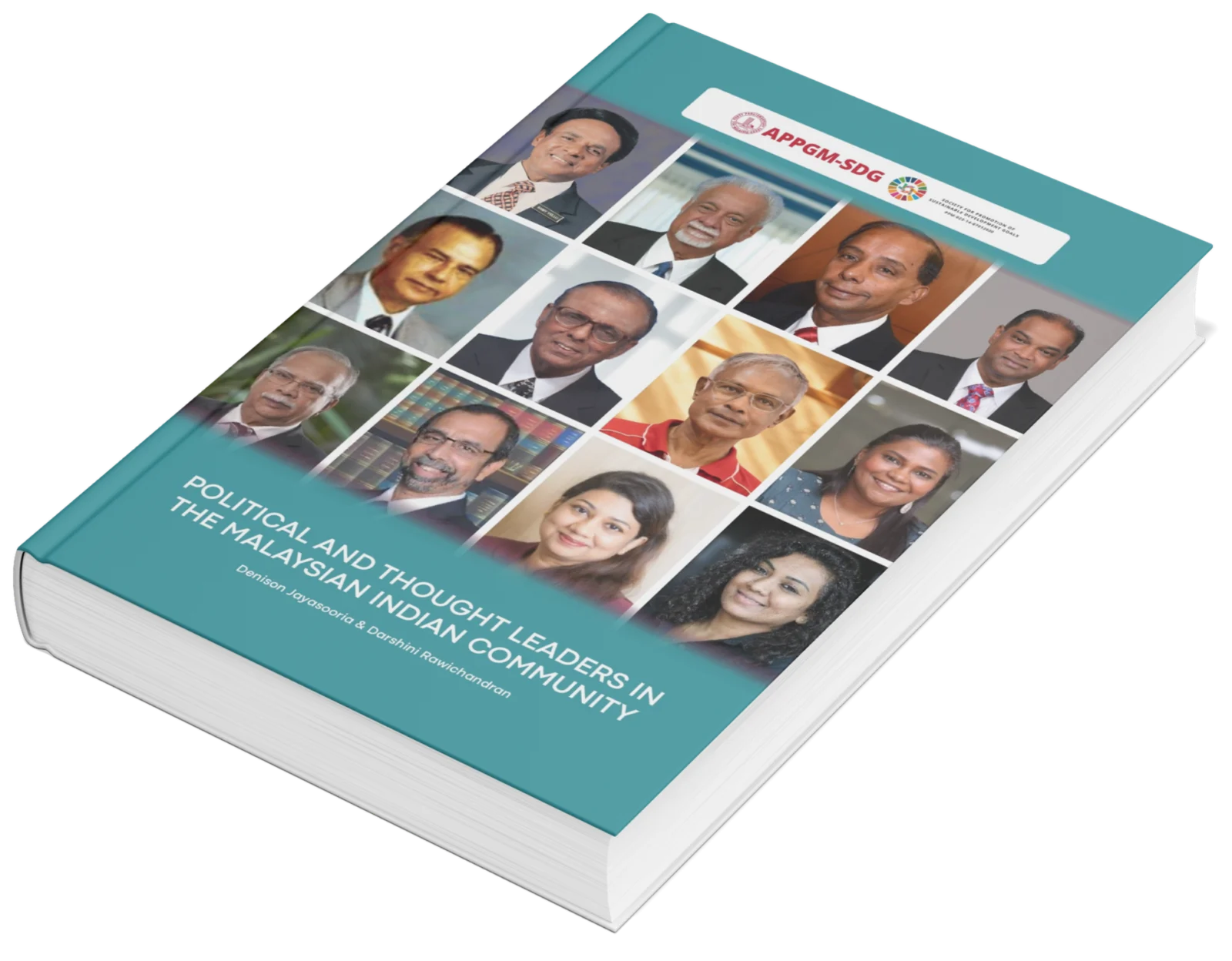
Political and Thought Leaders in the Malaysian Indian Community
important dates
Abstract Submission Deadline
Acceptance Notification
Five webinars on thematic concerns based on paper writers’ abstracts
Conference registration and paper submission
Conference date and venue, Ipoh
Registration Information
- Registration Fee: No registration fee is required for participation in the conference.
- Accommodation: Paper writers and participants are required to arrange and self-finance their own accommodation.
- Travel: Travel and other personal expenses are to be borne by the paper writers and participants