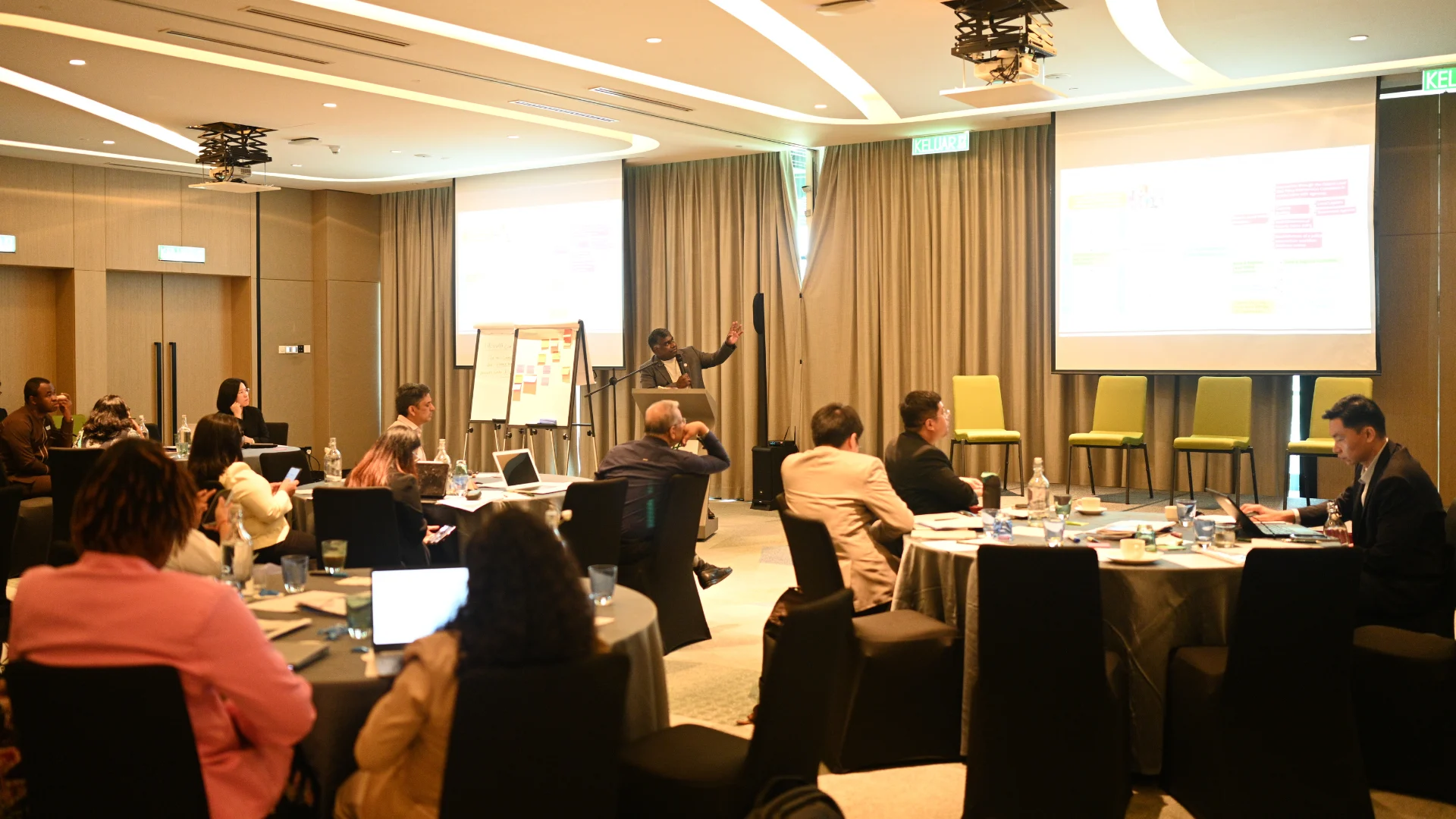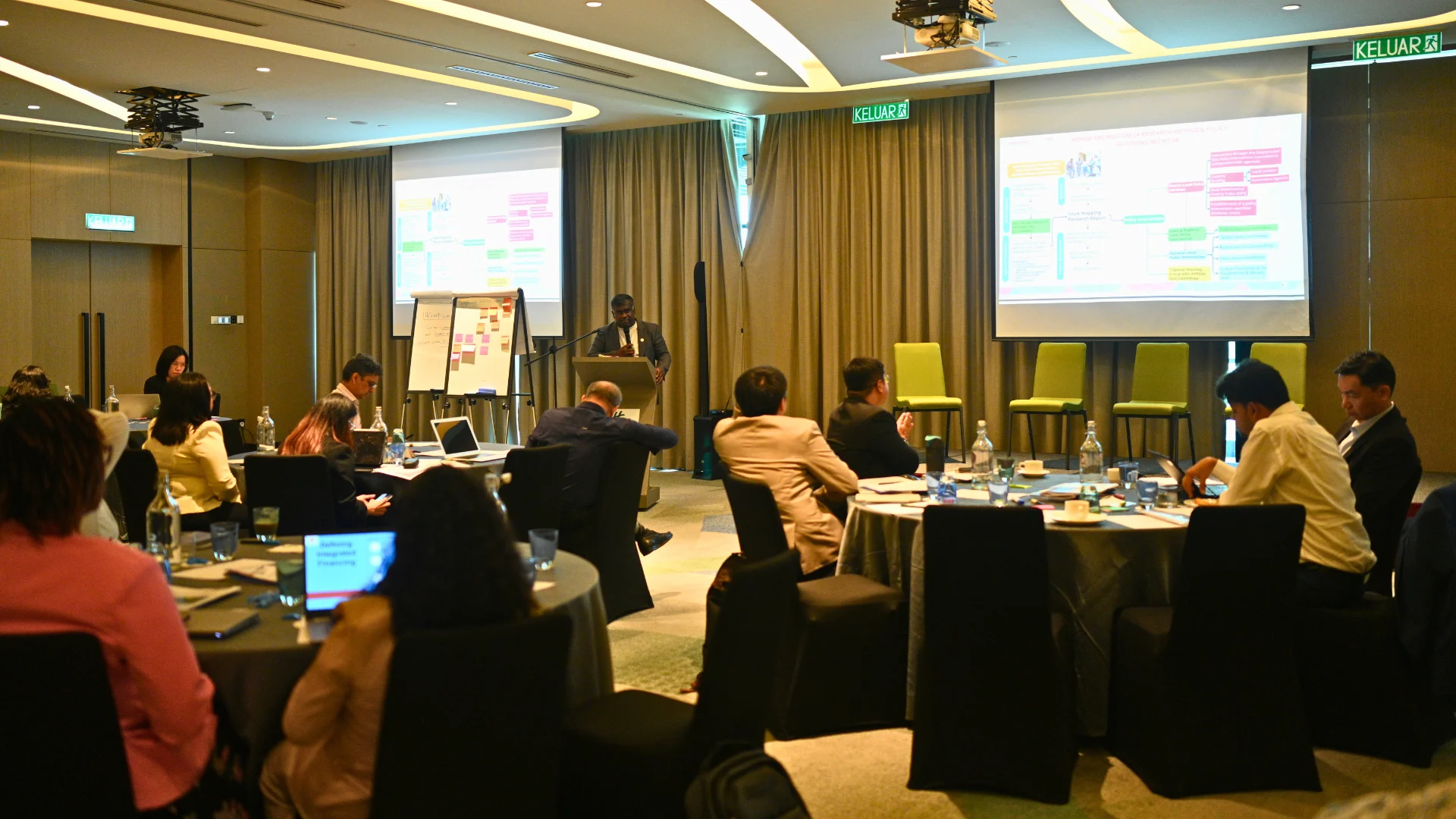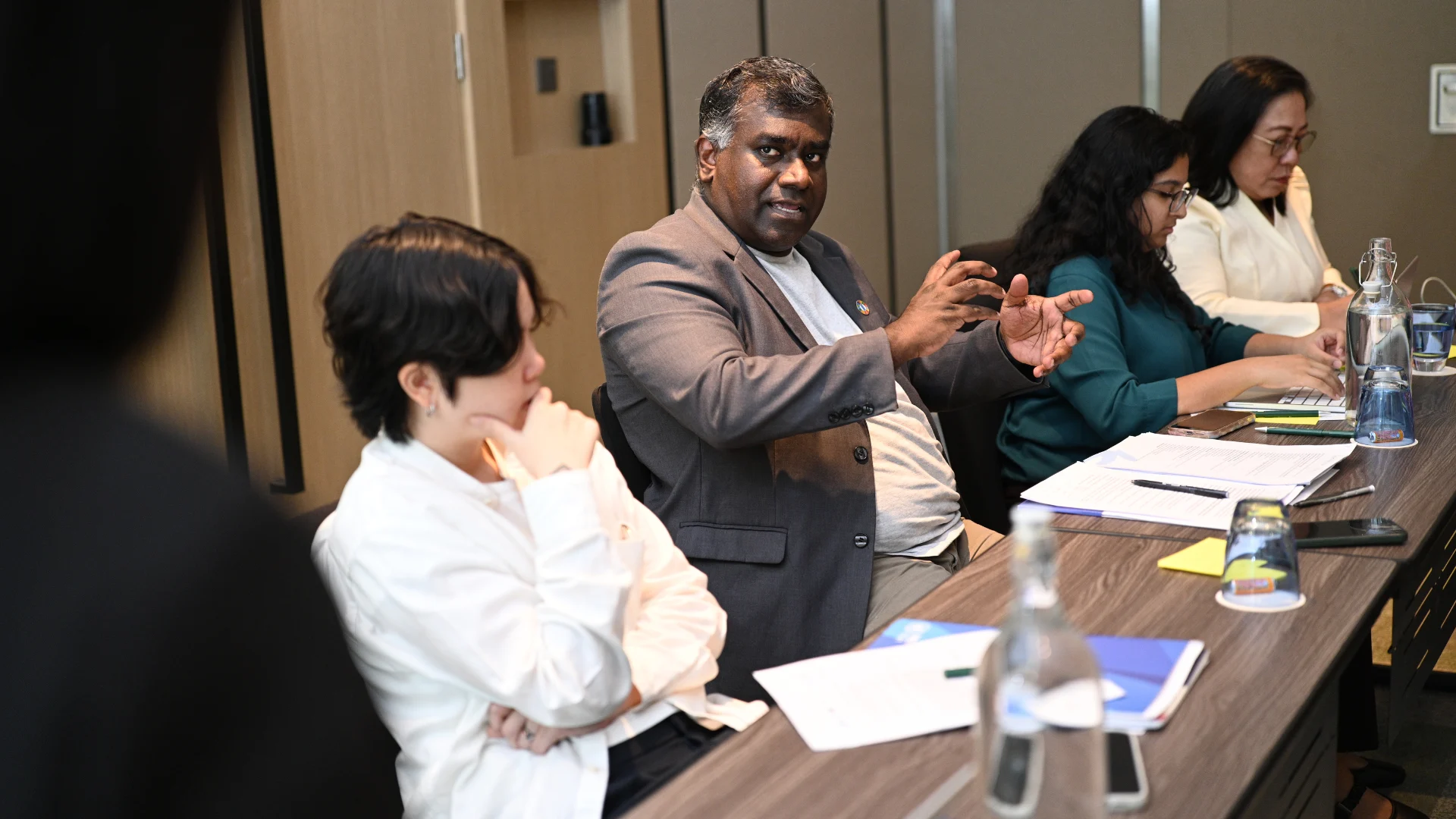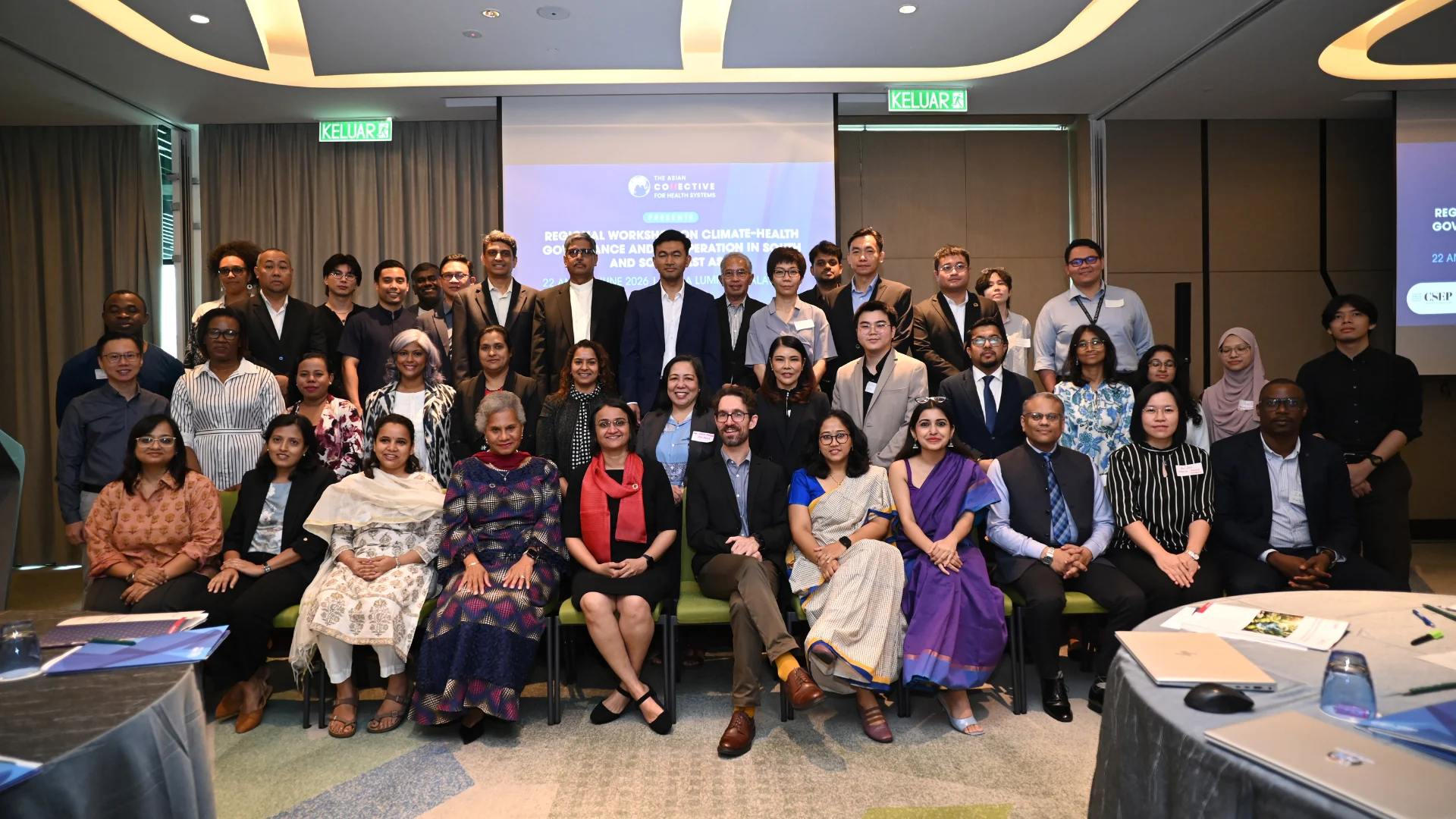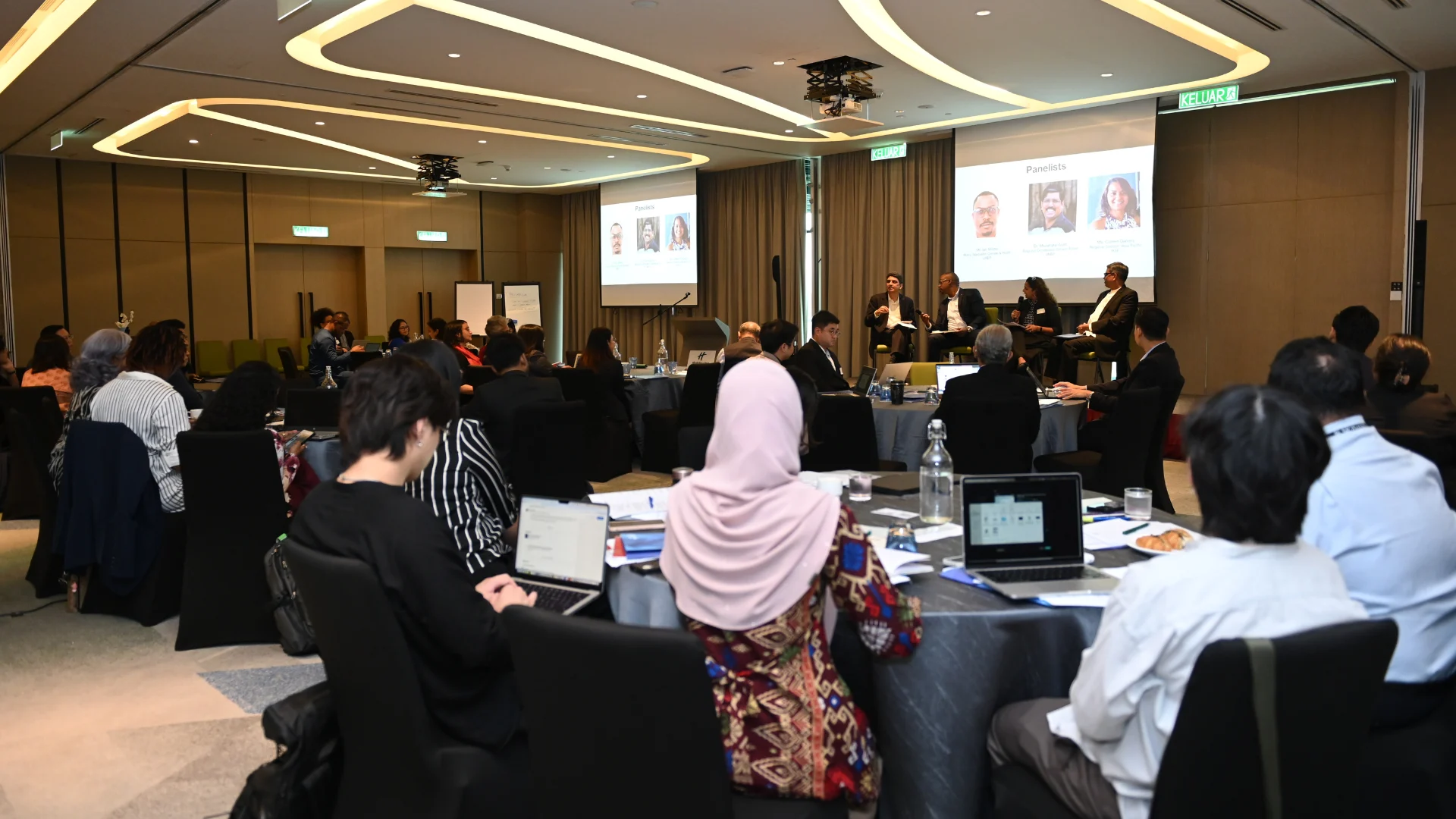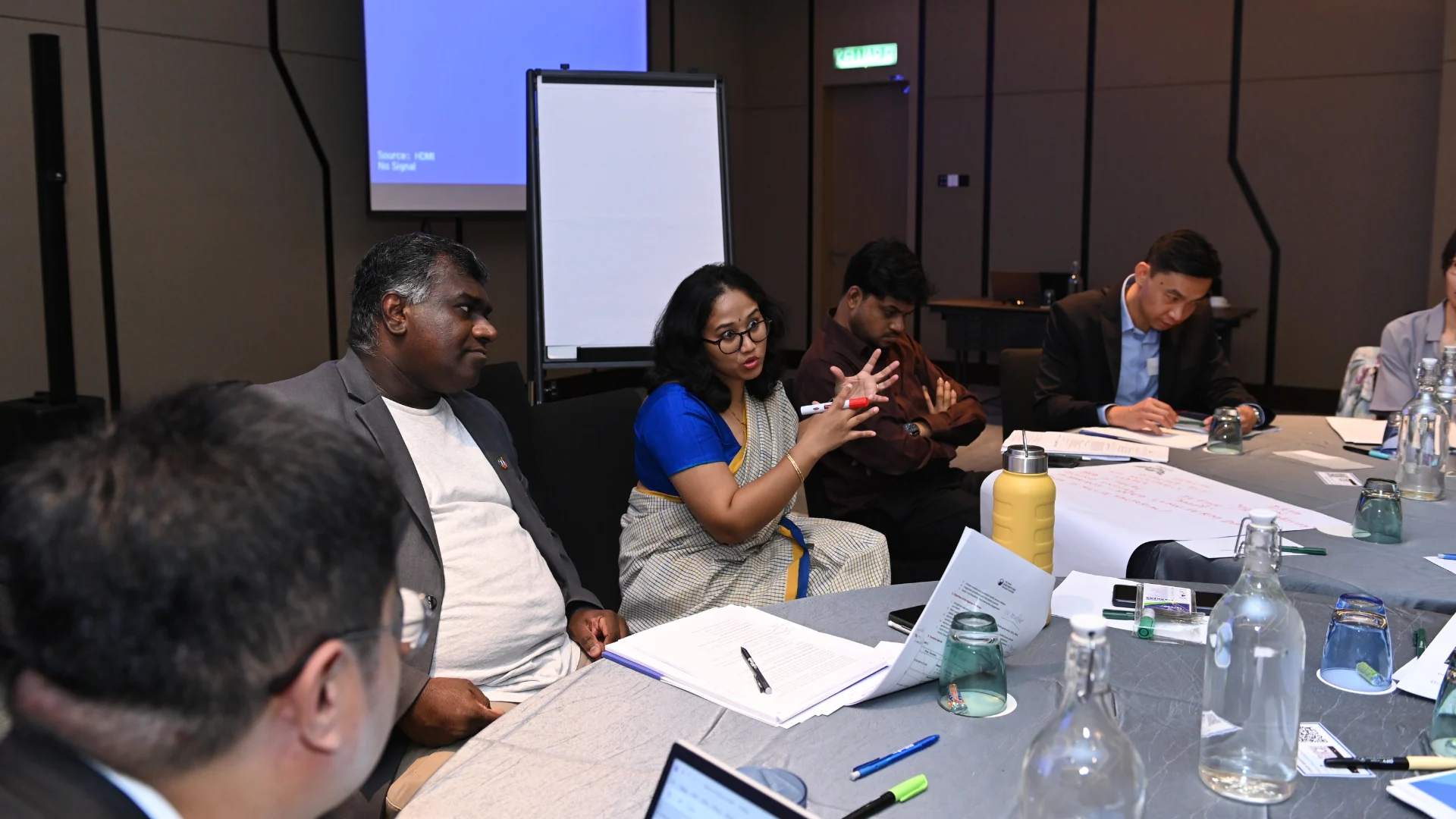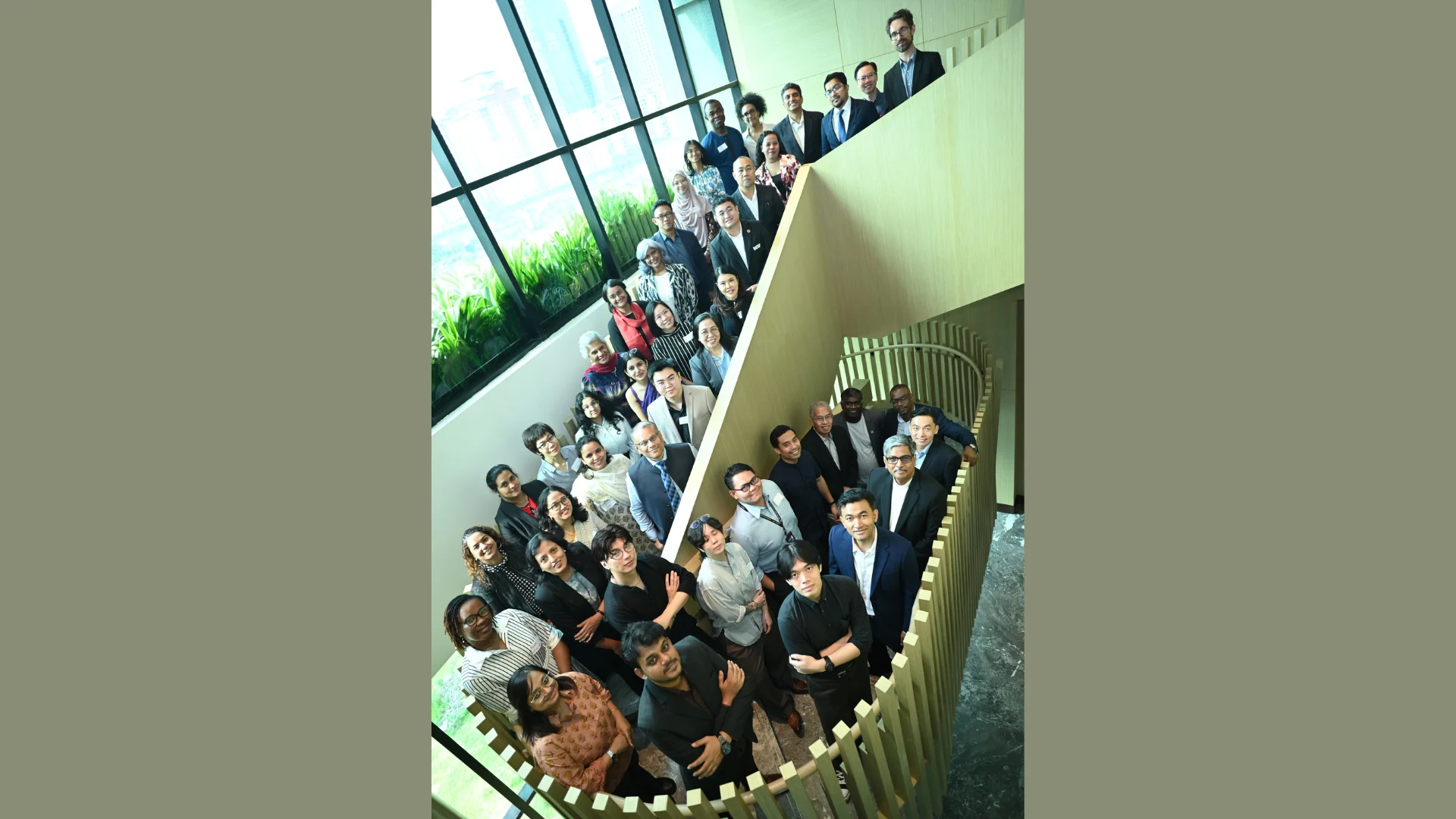
Regional Workshop on Climate–Health Governance and Cooperation in South and Southeast Asia. 10 Countries, UN Agencies, Universities & CSOs. 22–23 June 2026, Kuala Lumpur.

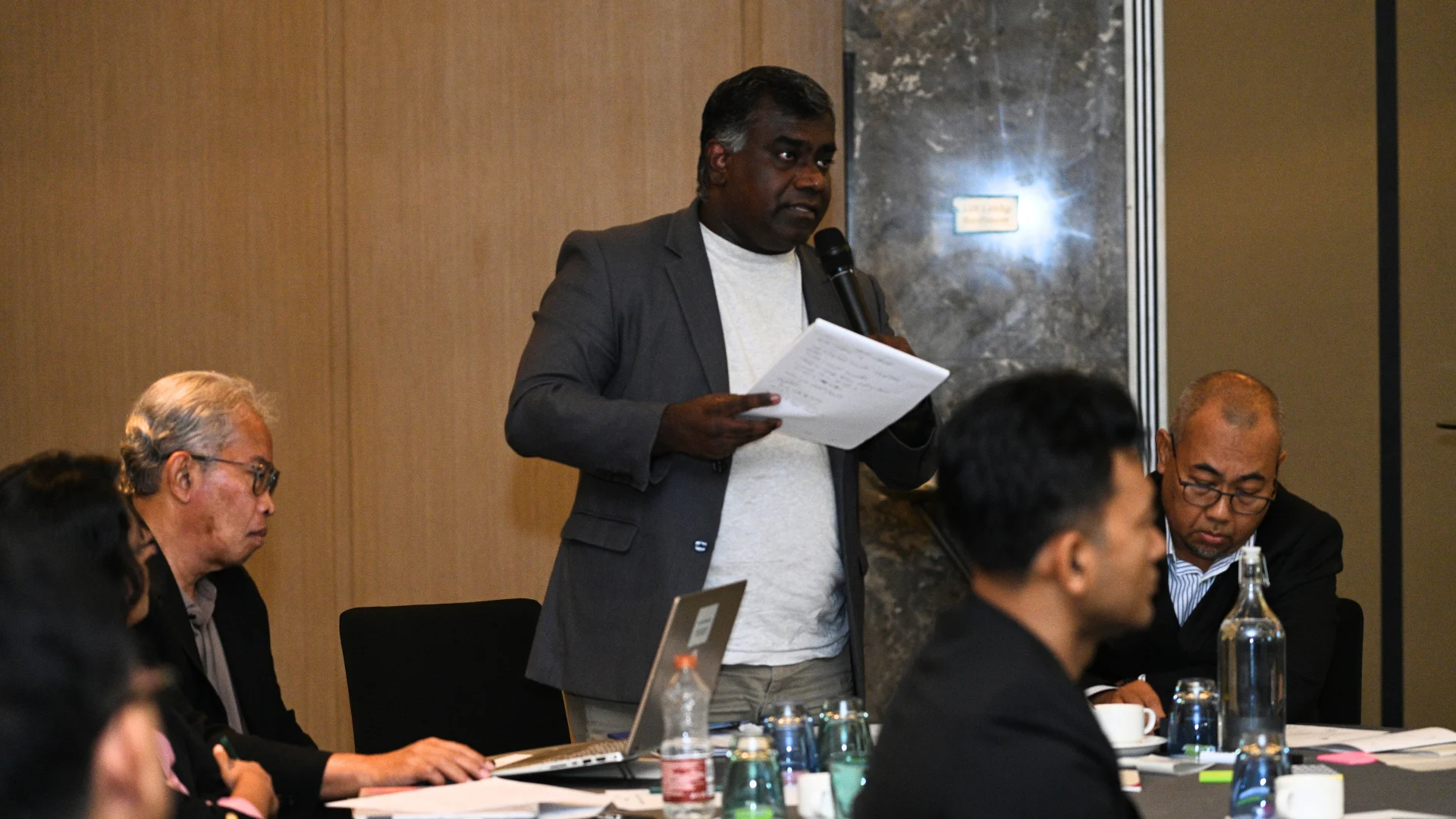
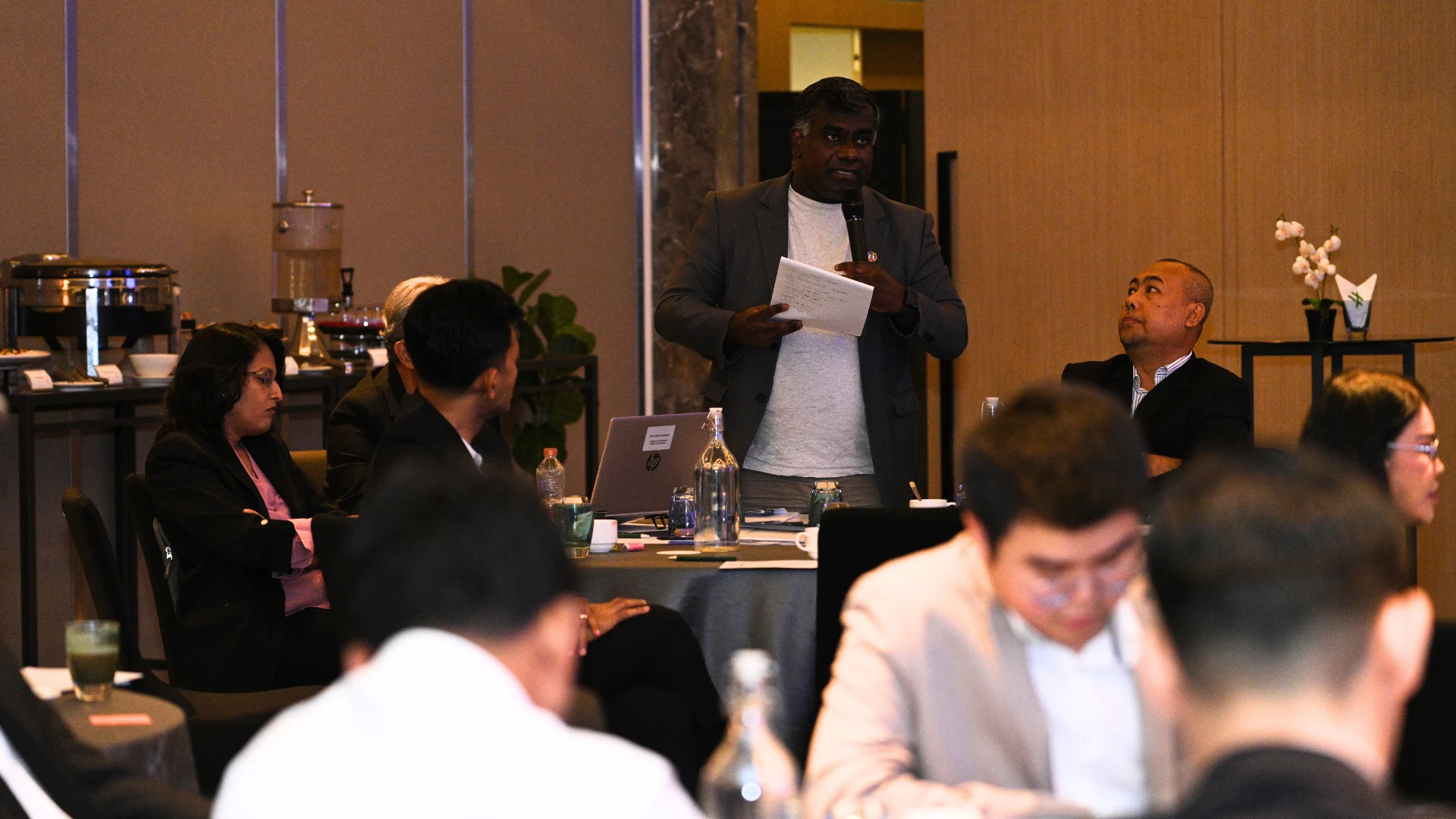
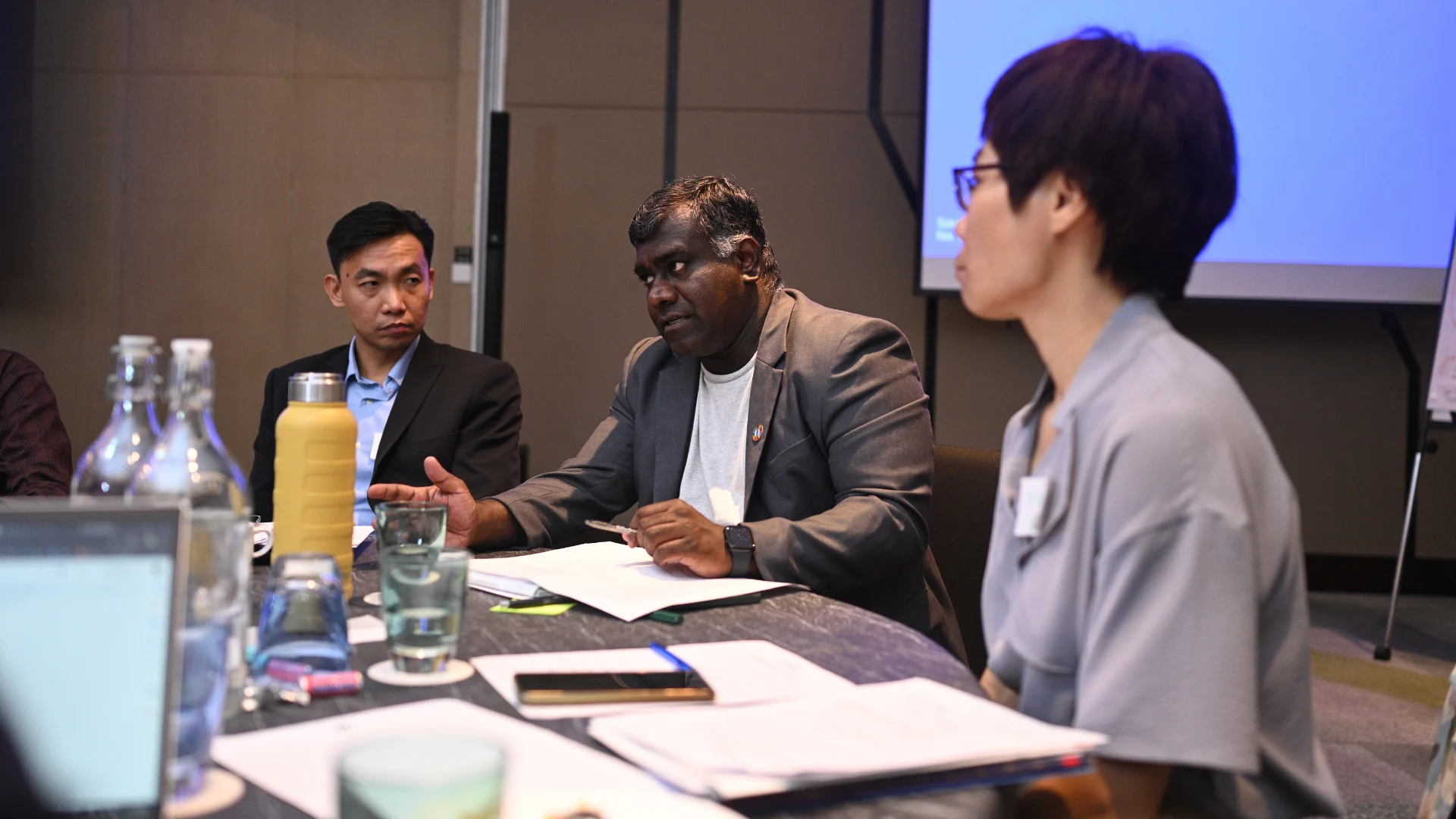
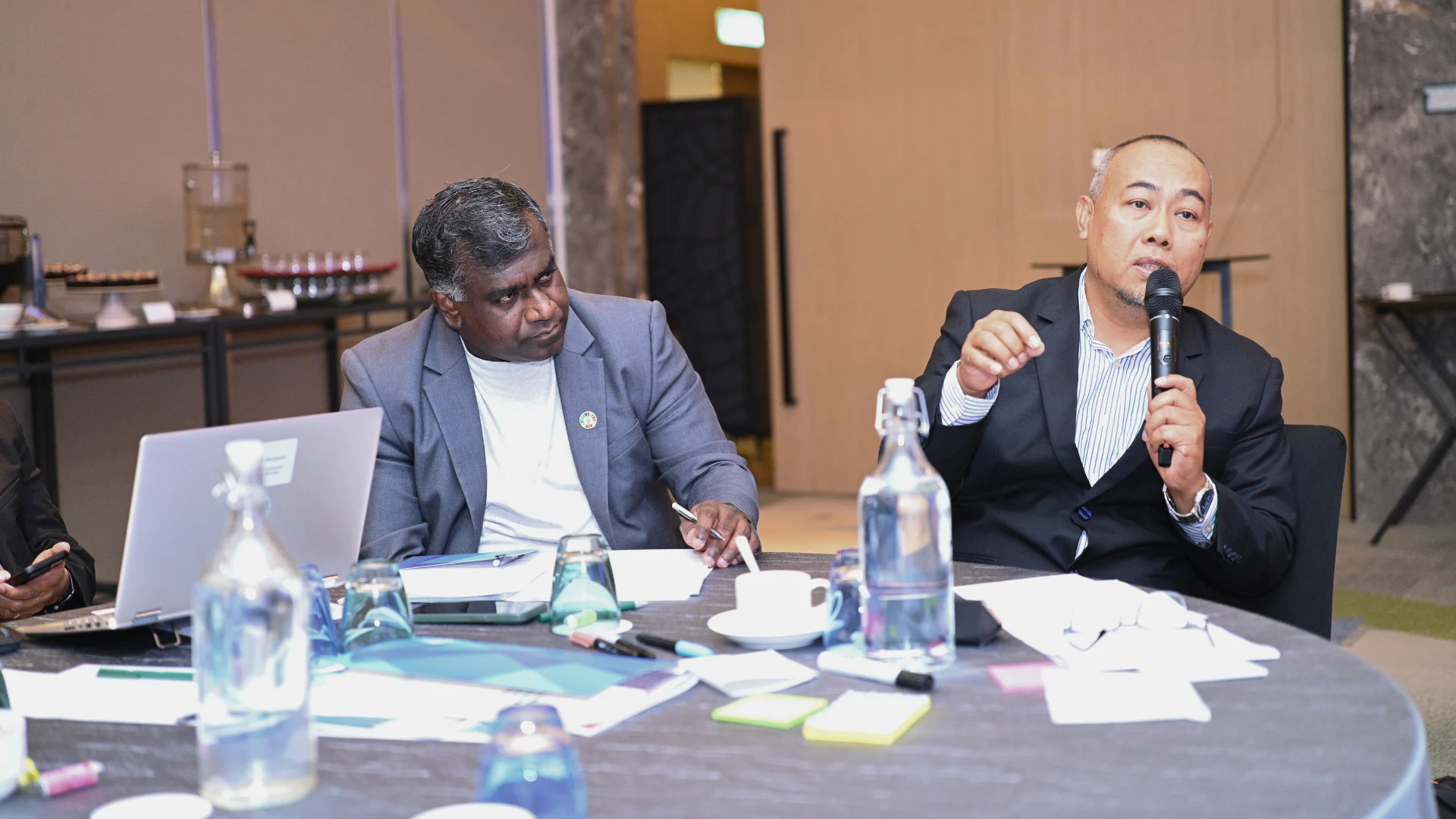
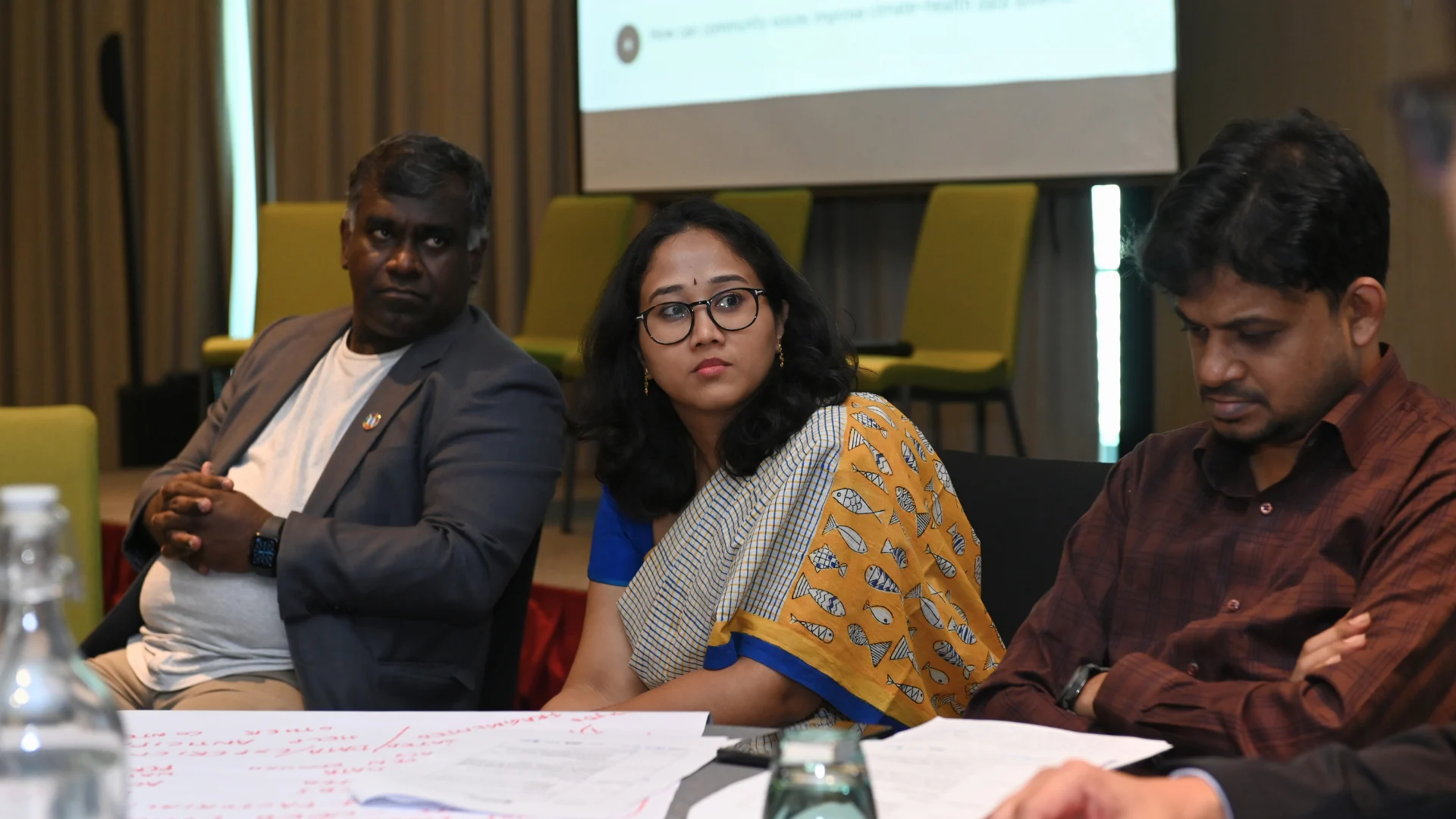
APPGM-SDG, represented by Mr. Paniirselvam Jayaraman, Director of Policy Solutions in the secretariat, participated in the Regional Workshop on Climate–Health Governance and Cooperation in South and Southeast Asia, jointly organised by The Asian Collective for Health Systems, Sunway Centre for Planetary Health, and partner institutions. The two-day convening brought together government health officials from ten countries alongside UN agencies, universities, and civil society organisations to share knowledge, compare governance models, and chart a collective path forward on one of the defining challenges of our time.
The workshop centred on six interconnected pillars: transformative governance, climate financing models, service delivery and systems strengthening, health equity, community engagement, and the cross-cutting theme of building climate resilience. Discussions surfaced both the urgency of the challenge and the genuine promise of emerging models across the region.
Malaysia’s Participatory Policy Model on the Regional Stage
Mr. Paniir shared three key achievements from its Policy Solutions Initiative — a body of work that has developed over years of field-level engagement with communities across Malaysia and represents a distinctive contribution to regional thinking on participatory, bottom-up governance.
1. A Multi-Stakeholder, Bottom-Up Policy-Making Model – “From Kampung to Parliament”
APPGM-SDG’s 5-Tier Policy Solutions Approach provides a structured framework for translating community voices into actionable policy recommendations. By institutionalising community voices through participation in SDG Multistakeholder Committees set up at the district level and organising engagement across five tiers — from the grassroots to the parliamentary level — the model ensures that the communities most affected by policy decisions are genuinely included in shaping those decisions.
2. Community Leaders as Partners in Policymaking
Beyond consultation, APPGM-SDG has developed a holistic community engagement model that positions local leaders as co-designers of policy — not merely recipients of decisions made elsewhere. This shift from informing communities to empowering them as active participants in policymaking, as well as monitoring the execution, has been central to the initiative’s impact and sustainability.
3. Micro Solutions with Macro Climate Impact
Communities engaged through the Policy Solutions Initiative have championed locally appropriate, climate-resilient innovations. One standout example is a community-led project producing washable and reusable sanitary pads — a micro solution that simultaneously addresses menstrual health, waste reduction, and economic empowerment, demonstrating how community-driven ingenuity can deliver outsized sustainability outcomes.
Regional Models Worth Watching
Presentations from across the region revealed a rich diversity of approaches to climate–health governance. Several stood out as particularly instructive for regional knowledge-sharing.
i. Malaysia — Health-Centred Climate Milestones & Workforce Capacity
Malaysia presented its milestones in climate mitigation since 2015, with a focus on health outcomes, alignment with the SDGs, and the systematic capacity building of the health workforce to respond to climate-related challenges.
ii. Singapore & India — Policy-Level Engagement & Disaster Response
Singapore and India presented promising models of inter-agency and inter-ministry collaboration, offering lessons for structured policy-level coordination and rapid, effective disaster response.
iii. Bangladesh — Integrated Climate Financing Across 25 Ministries
Bangladesh presented a climate financing model jointly applied with partner countries, featuring an integrated climate budget spanning 25 ministries — a compelling example of whole-of-government fiscal commitment to climate action.
iv. The Philippines — The Bibingka Model: Local Government in National Policy
The Philippines’ Climate Change Commission shared its “bibingka model” — a framework that bakes local government unit (LGU) priorities and resources into national climate policy and financing, achieving genuine vertical integration across governance levels.
Six Domains Shaping the Way Forward
Across two days of structured dialogue, six thematic domains emerged as the essential terrain for transformative climate–health governance in the region. Participants identified both the vulnerabilities that demand attention and the ideas gaining traction as credible ways forward.
Health Vulnerabilities
- Climate change is affecting gender, mental health, and sexual and reproductive health.
- Health resilience and social protection must be strengthened together.
- Heat-related stress is a growing and immediate burden.
- Waste mismanagement is a primary contributor to climate-driven health harm.
Governance & Leadership
- Governance structures need restructuring to integrate health and climate.
- Climate co-financing, inter-ministry budgeting, and taxation for environmental damage are needed.
- Robust indicators and monitoring systems must be established.
- Parliamentarians are essential role players alongside government.
- Participatory governance with multi-stakeholder involvement is the emerging standard.
- A national Climate Change Commission is a promising way forward for governance structure.
- Value investment and health equity should guide resource allocation.
- Parametric insurance offers a tool for climate risk protection.
Food Security
- Nature-based solutions require support and scale-up.
- Climate-resilient farming must be mainstreamed.
- Nutrition-focused approaches should anchor food policy.
Technology & Knowledge Systems
- Data-driven decision-making and leadership are essential.
- Real-time notification and data-sharing apps can connect governments with the public.
- Predictive pattern technology is needed for anticipatory action.
- A regional knowledge-sharing hub would accelerate learning.
Health Workforce Development
- Need-based capacity building must cover both health and climate competencies.
- Climate should be included in formal medical education.
Community Empowerment
- Building climate-resilient communities is foundational.
- Social workers can be developed as eco-warriors.
- Climate solutions should be co-developed with communities.
- Micro solutions can deliver macro impact.
APPGM-SDG’s Place in the Regional Dialogue
APPGM-SDG’s participation in this workshop reflects its growing role as a regional reference point for participatory, parliamentarian-led approaches to sustainable development. The models shared — particularly the 5-Tier Policy Solutions framework and the community-driven micro-innovation model — align closely with the emerging regional consensus on the need for inclusive, bottom-up governance to address the climate–health nexus.
As South and Southeast Asia continues to develop shared frameworks for climate resilience, APPGM-SDG remains committed to contributing Malaysia’s experience and learning from the rich diversity of approaches across the region.
Paniirselvam,
Director, Policy Solutions, APPGM-SDG Secretariat
3 July 2026