

Education reform must recognise talent, build character and offer a second chance to young people at risk of being left behind.


By James Ryan Raj
Consider a 15-year-old who struggles to pass classroom examinations but can repair a motorcycle, design a computer game or grow vegetables with remarkable skill. In the eyes of a conventional academic system, that student may be labelled weak. But is the student a failure, or have we failed to recognise a different kind of talent?
This question should be at the heart of Malaysia’s next phase of education reform. A school ought to be a place where young people discover their passions, where their abilities are identified, their dreams are encouraged, and their character is shaped. It should not be an institution where children learn early that their worth can be reduced to a grade.
The National Education Blueprint 2026–2035, launched in January, presents an important opportunity. The Ministry of Education’s plans for the 2027 school curriculum, including dedicated character-development time and earlier exposure to technical and vocational education, are welcome steps, but the real test will not be the quality of the policy documents. It will be whether classrooms, school cultures and the lives of students actually change.
Recognise many routes to success.
Malaysia must move beyond treating the academic pathway as the only respectable measure of educational success. Some young people are drawn to science and university research. Others are passionate about farming, automotive technology, welding, culinary arts, digital design, gaming, sports or entrepreneurship. These interests are not distractions from education. They can be its starting point.
From the early years of secondary school, students should have opportunities to explore their talents through practical projects, career exposure and individual development portfolios. By the upper secondary years, they should be able to pursue meaningful combinations of academic and technical learning, with the flexibility to change direction as they mature.
I would go further and propose a recognised dual-certification route for suitable school-based programs. A certificate acknowledging completion of an approved secondary education pathway, alongside an accredited skills qualification where competency and accreditation standards are met. The Sijil Kemahiran Malaysia framework and existing TVET institutions provide a foundation on which to build. Crucially, vocational students must retain routes to further study and higher qualifications.
Such a system would send a powerful message to students and parents: choosing a trade is not dropping out of education. It is another way of completing it with dignity and purpose. Countries such as Germany and South Korea demonstrate the value of structured links between learning, industry and occupational skills. Malaysia should build its own model, suited to our schools, employers and communities.
Teach character through life, not memorisation.
Educational excellence also requires moral courage. Students must learn to respect the law, reject corruption, resolve disagreements peacefully, honour differences and accept responsibility for their decisions. Yet these values cannot be developed simply by memorising definitions for an examination.
Imagine students learning civic responsibility by organising a road-safety initiative, practising leadership through a school council or tackling a real waste-management problem in their neighbourhood. Imagine character education rewarding honesty, empathy, teamwork and perseverance, not just correct answers on a written paper. Such experiences help create purpose and meaning, and this makes education relevant to the world students inhabit.
Discipline, too, must be reimagined. Rules and accountability remain necessary, especially when the safety of others is at stake. But reprimands, suspension and punishment on their own rarely address why a young person repeatedly breaks the rules. Discipline should be guided by care, clear boundaries, restoration where appropriate, and opportunities to take responsibility. A student who has made mistakes should still be able to grow into a leader.
Do not punish a social problem as though it were only a school problem
Some schools face difficult and overlapping challenges: bullying, gang influence, substance misuse, harmful sexual behaviour, chronic absenteeism and serious emotional distress. These cannot be solved by a motivational talk, a one-day camp or a stricter disciplinary circular.
A young person’s behaviour may reflect pressures at home, poverty, trauma, isolation, harmful peer relationships or unmet learning and mental-health needs. Not every student facing such circumstances will develop behavioural difficulties, and vulnerable students must never be stigmatised. What is needed is an organised response that works with the individual, the school, the family and the community.
Malaysia should begin placing trained school social workers in high-need schools or clusters of schools, working alongside counsellors, psychologists and teachers. Qualified external organisations could provide structured mentoring, behavioural support, parenting programs and follow-up, subject to child-protection safeguards and measurable quality standards. Students facing serious mental-health or protection risks must receive timely specialist care, not be treated as disciplinary cases.
There is also a constructive role for retired military personnel and other experienced community mentors: not as enforcers, but as trained, screened leaders who can support sports, outdoor learning, teamwork, self-discipline and resilience. Their contribution must be supervised and based on positive, non-violent youth development.
Teachers should not be expected to act simultaneously as educators, social workers, psychologists and administrators. We must invest in their professional preparation and remove unnecessary paperwork so they can teach, mentor and build trust with students.
Schools should nurture children’s sense of belonging while fostering a strong sense of national identity.
Give young people a stake in changing their communities.
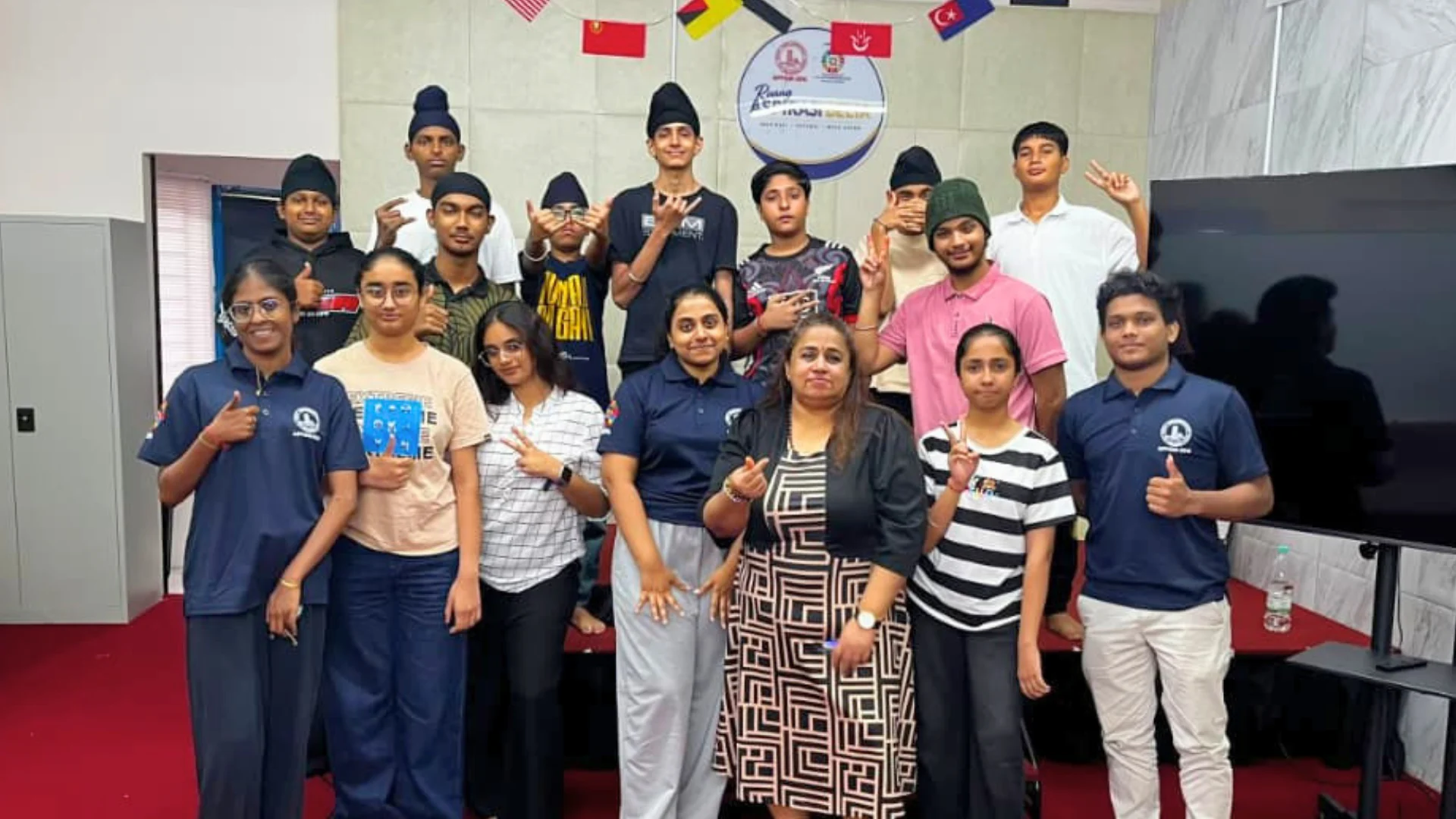
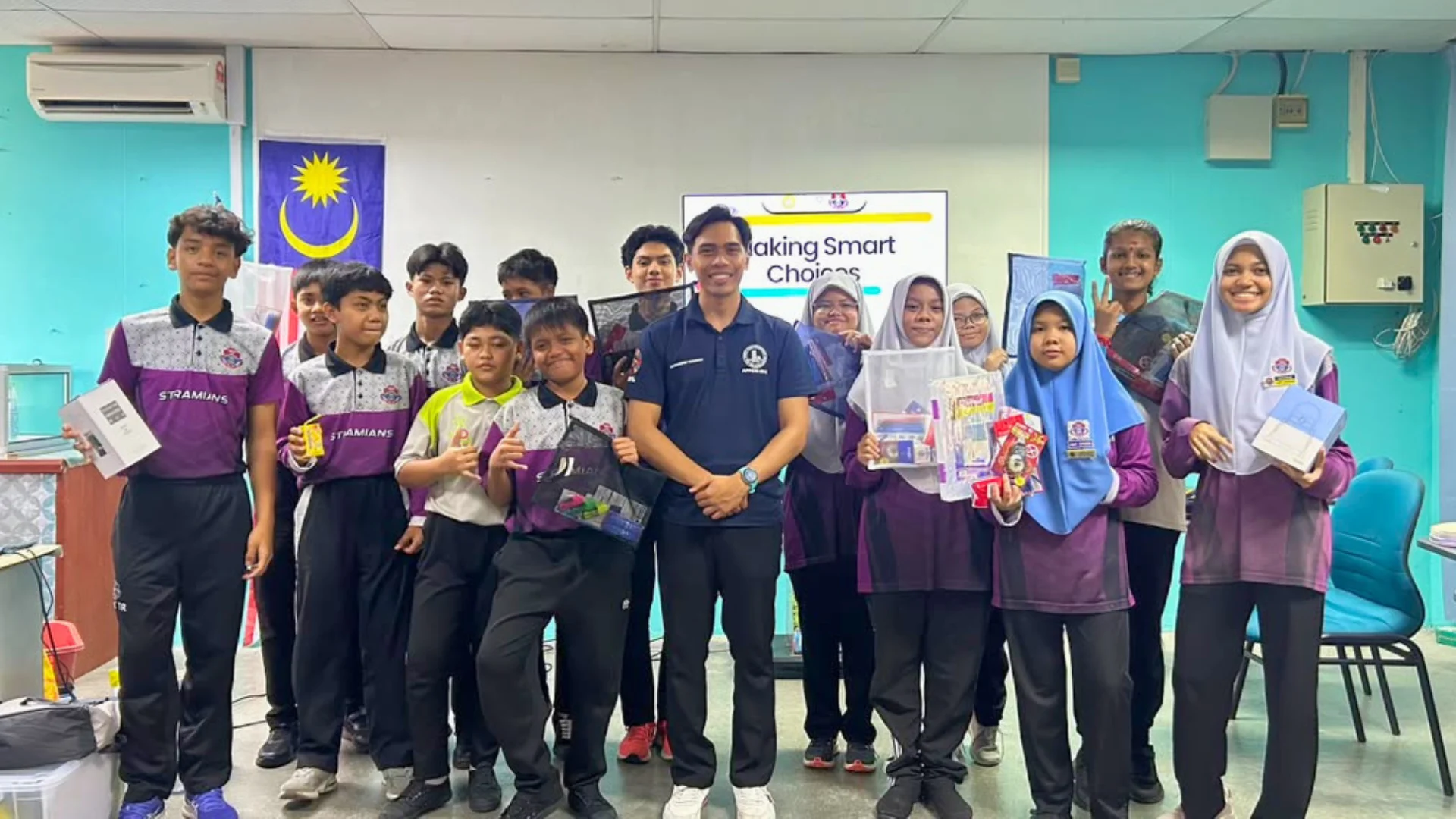
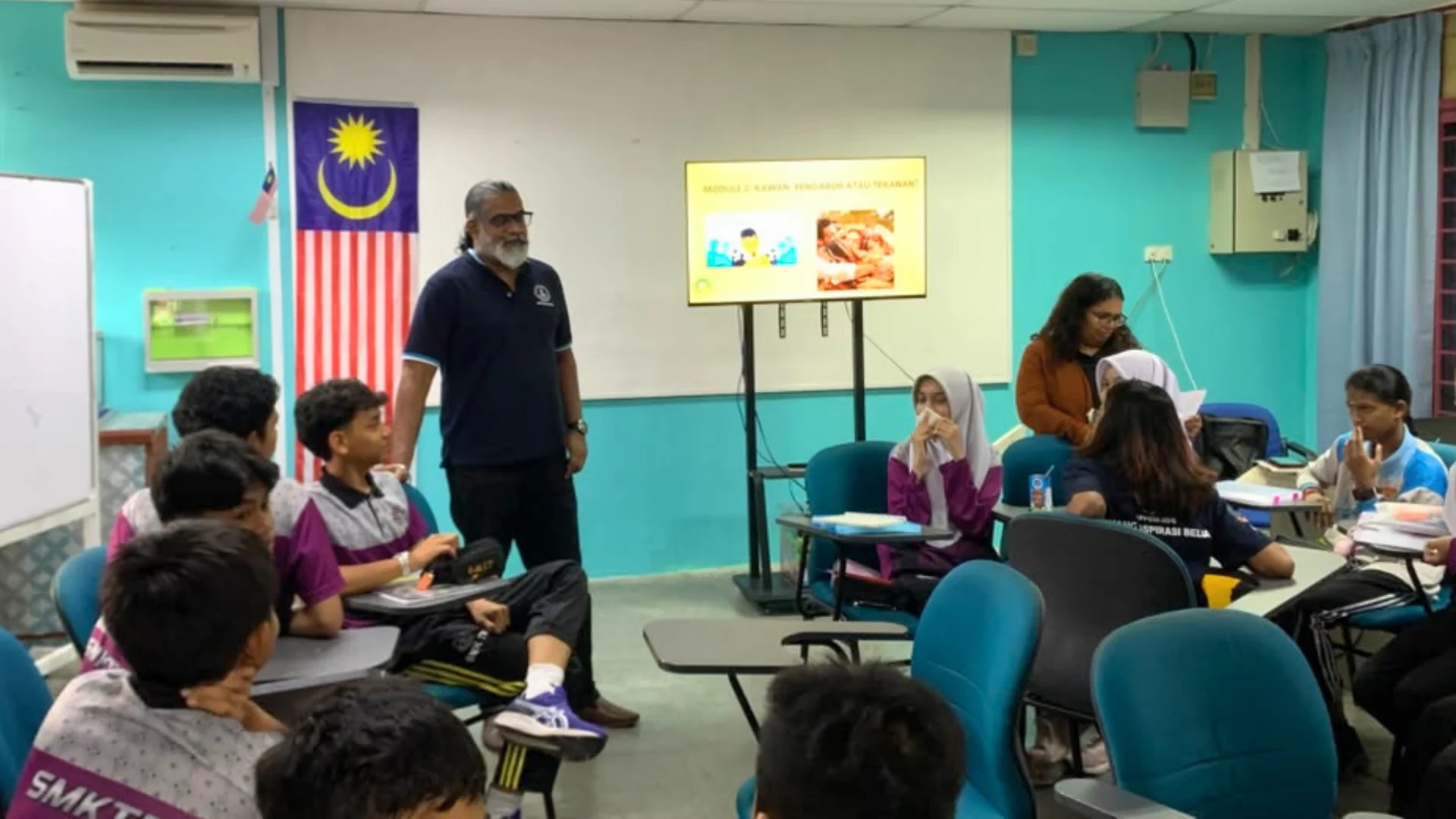
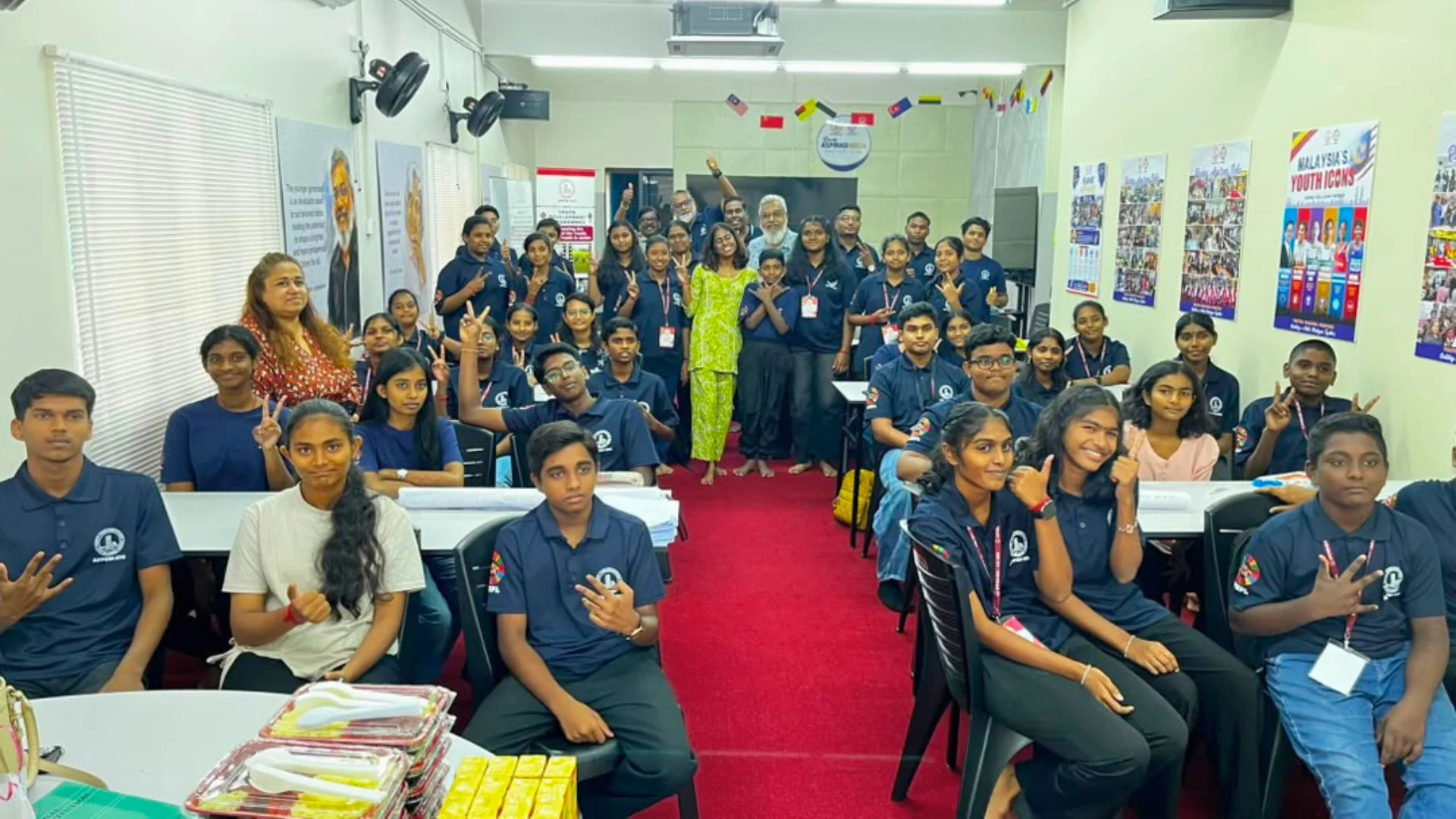
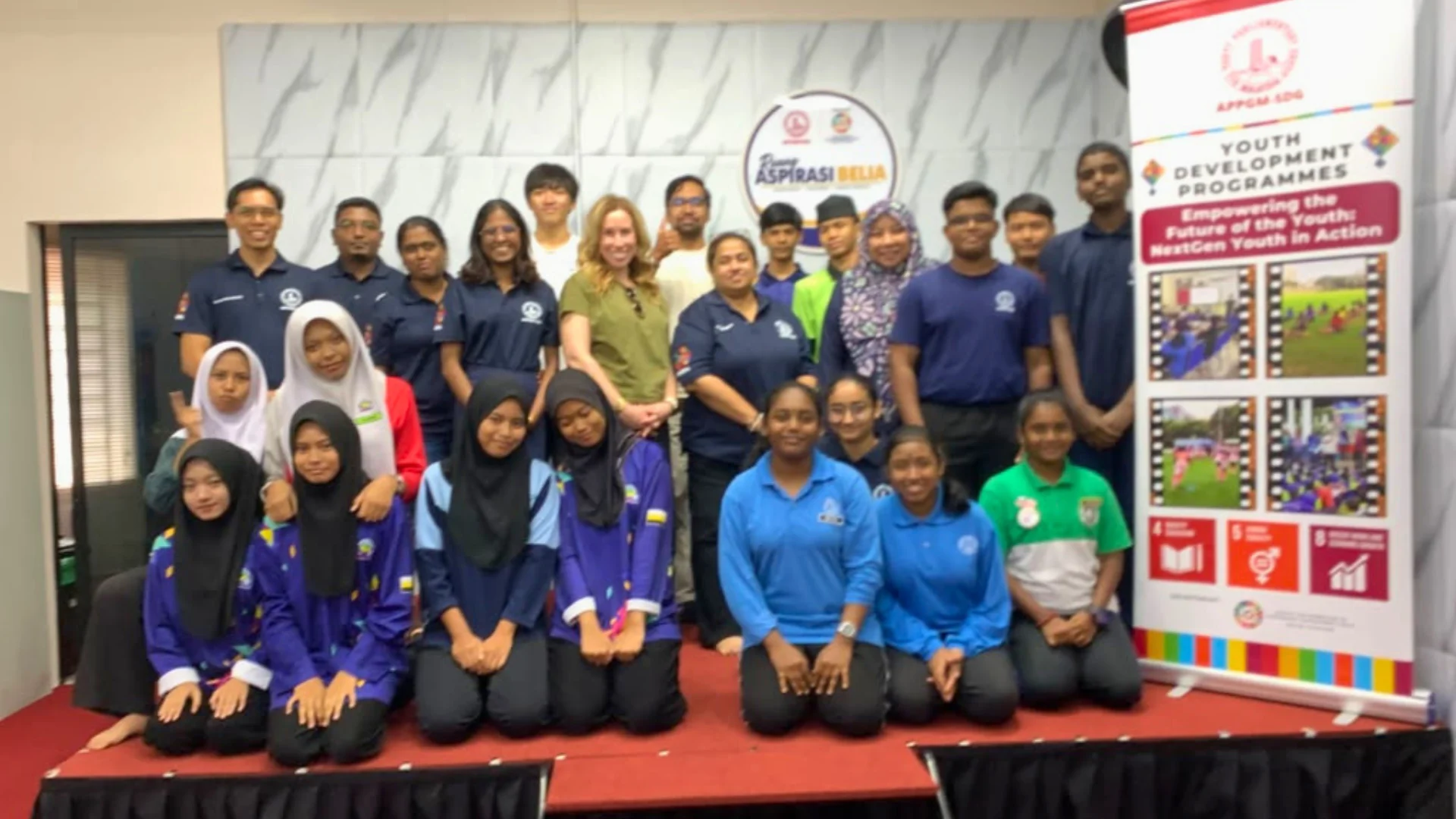
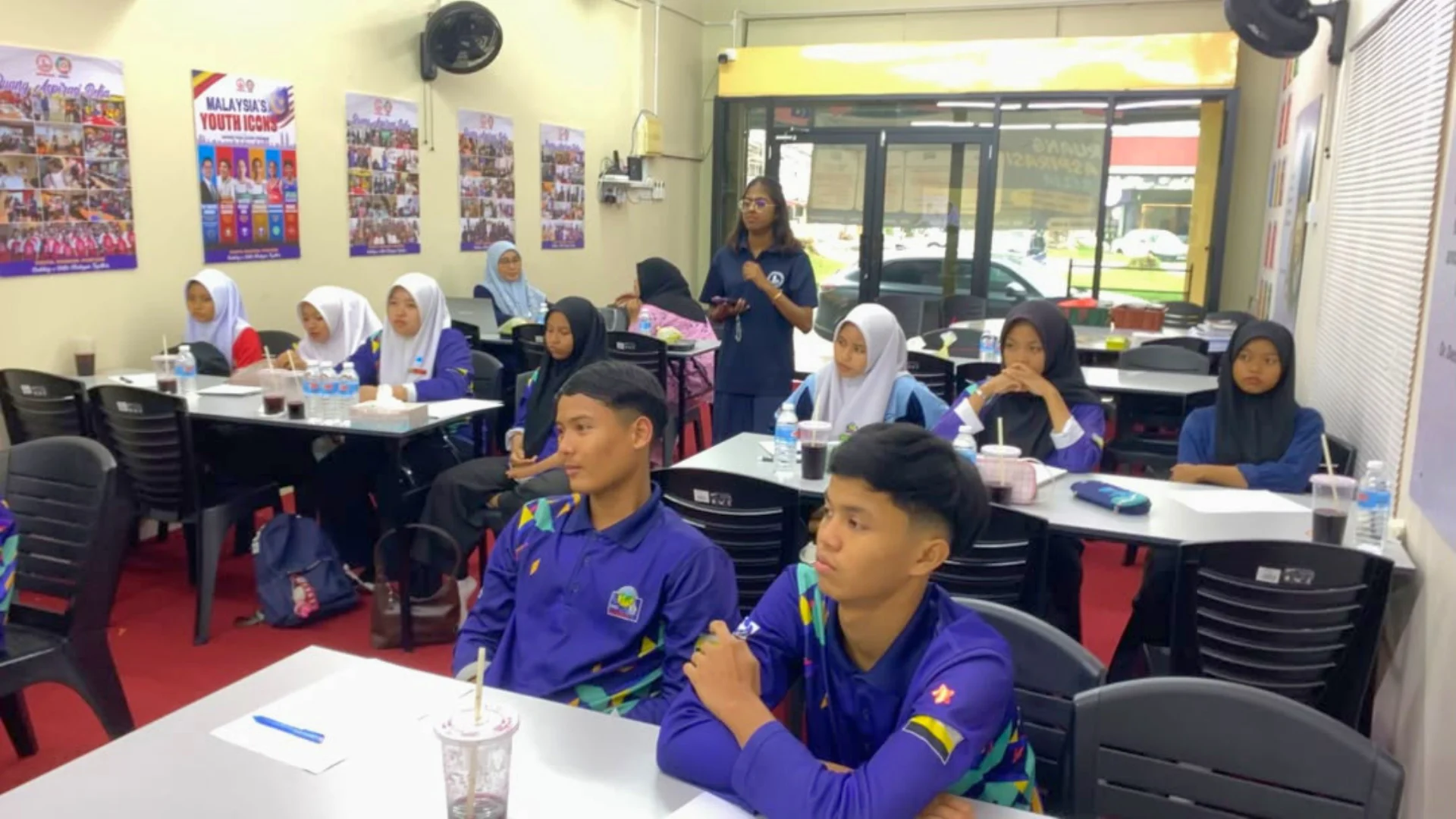
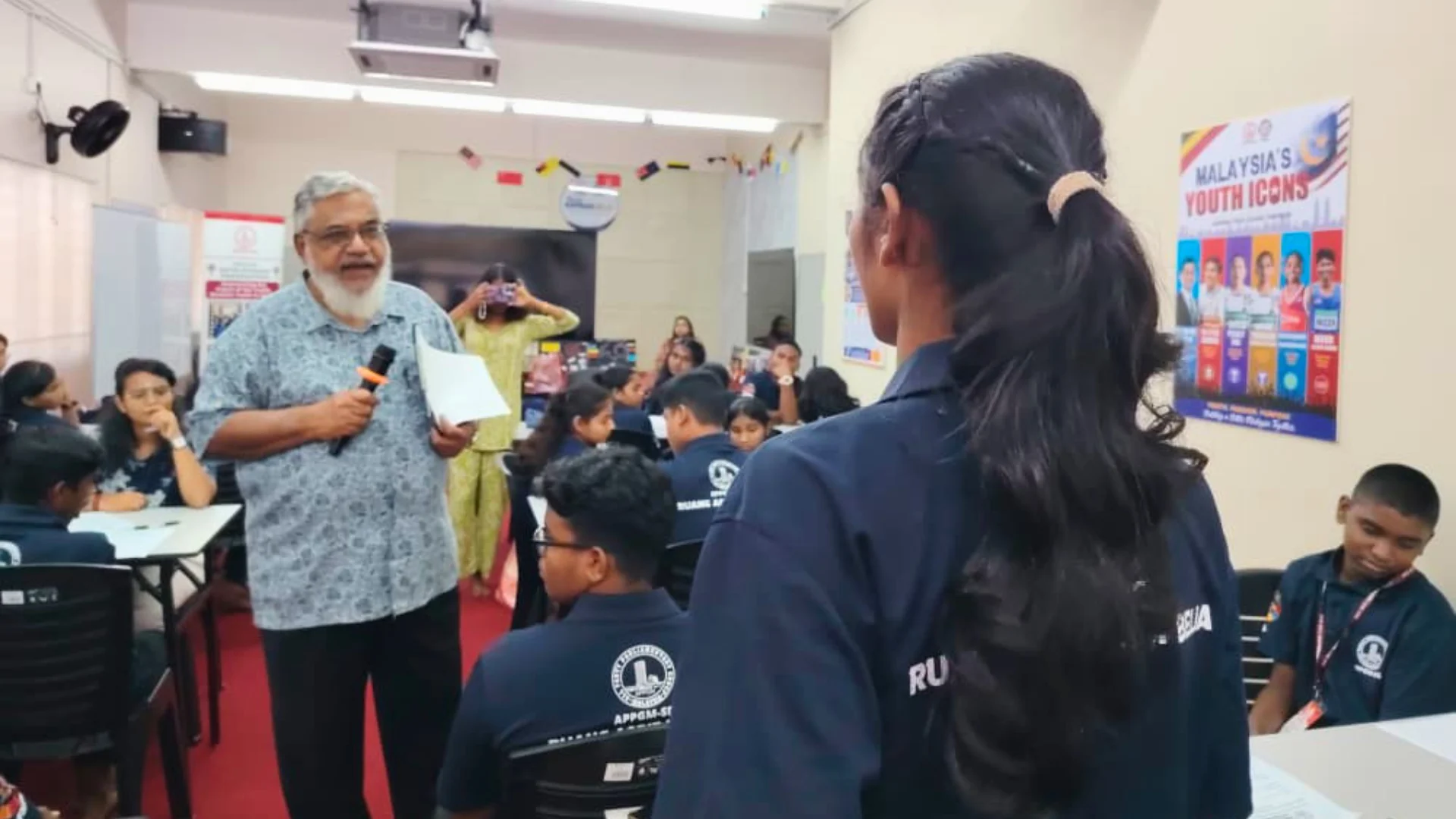
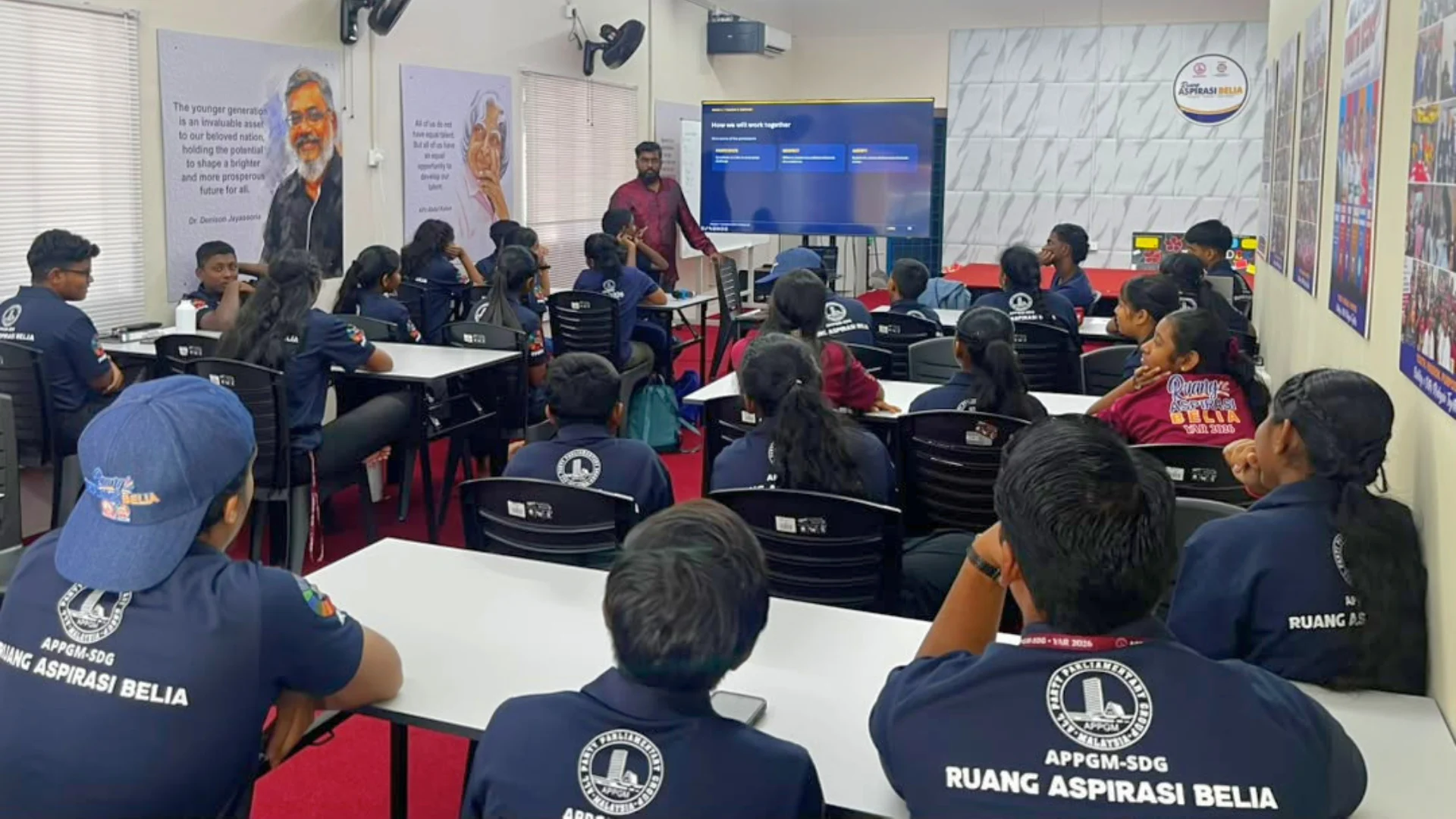
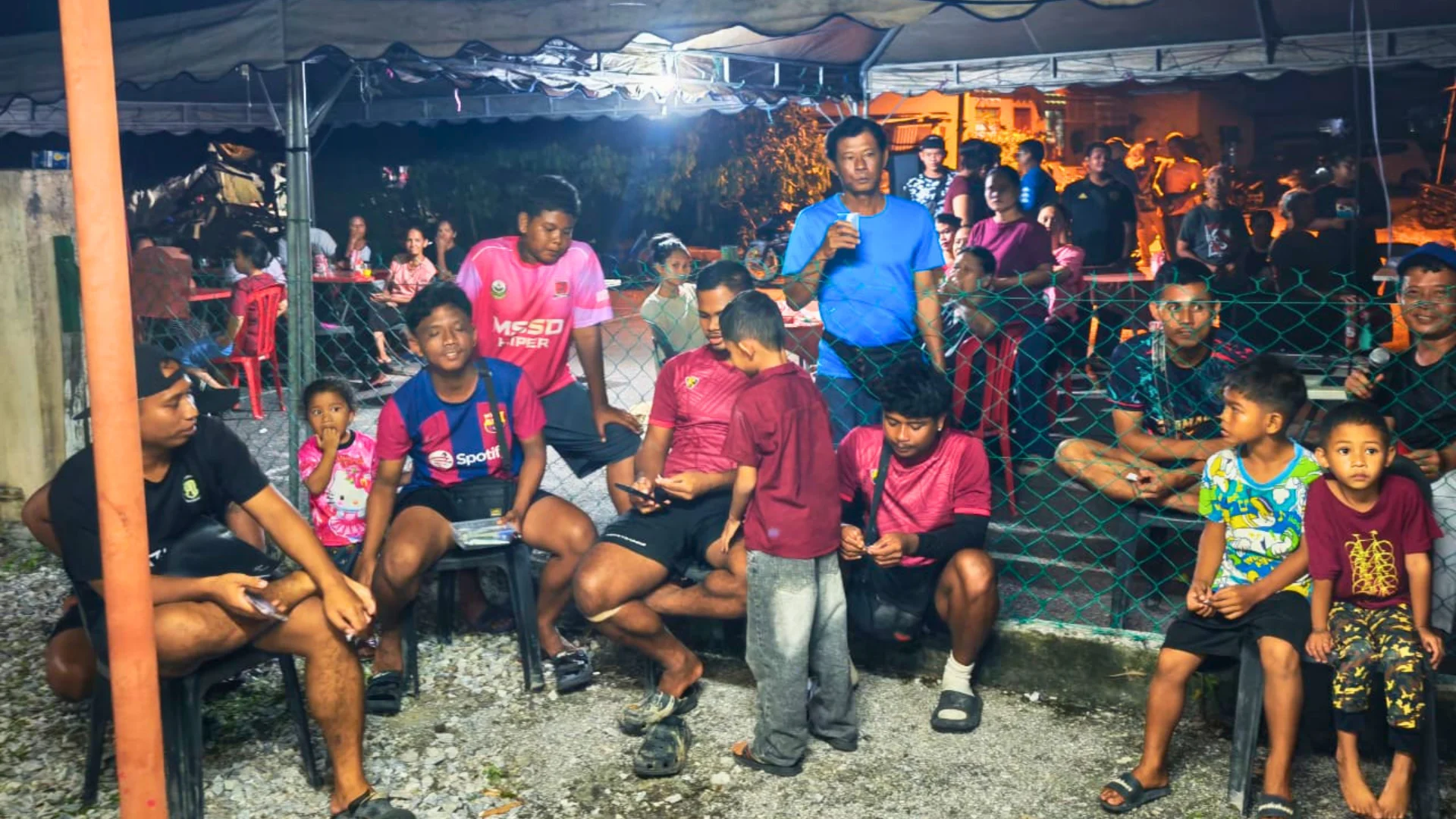
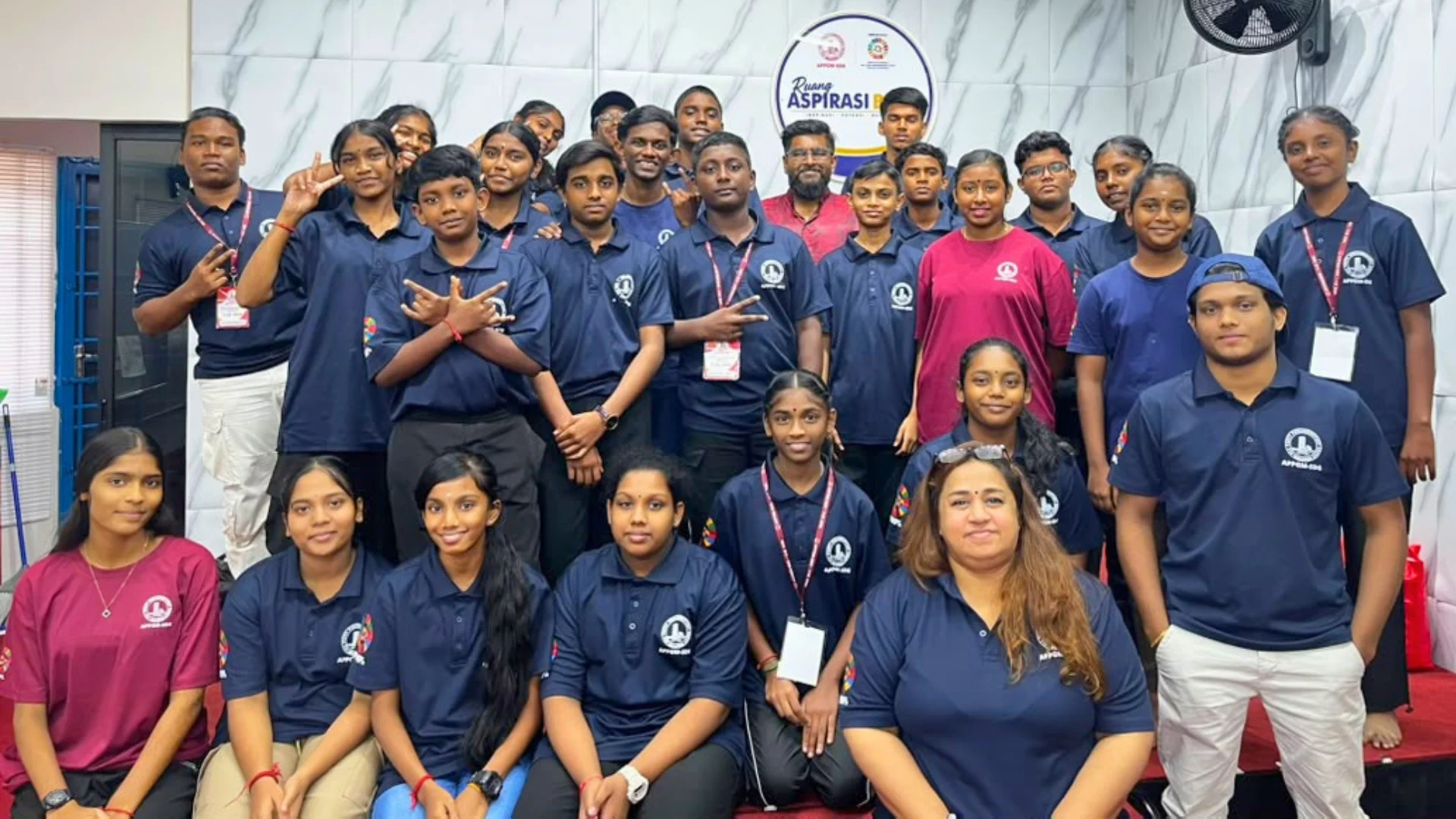
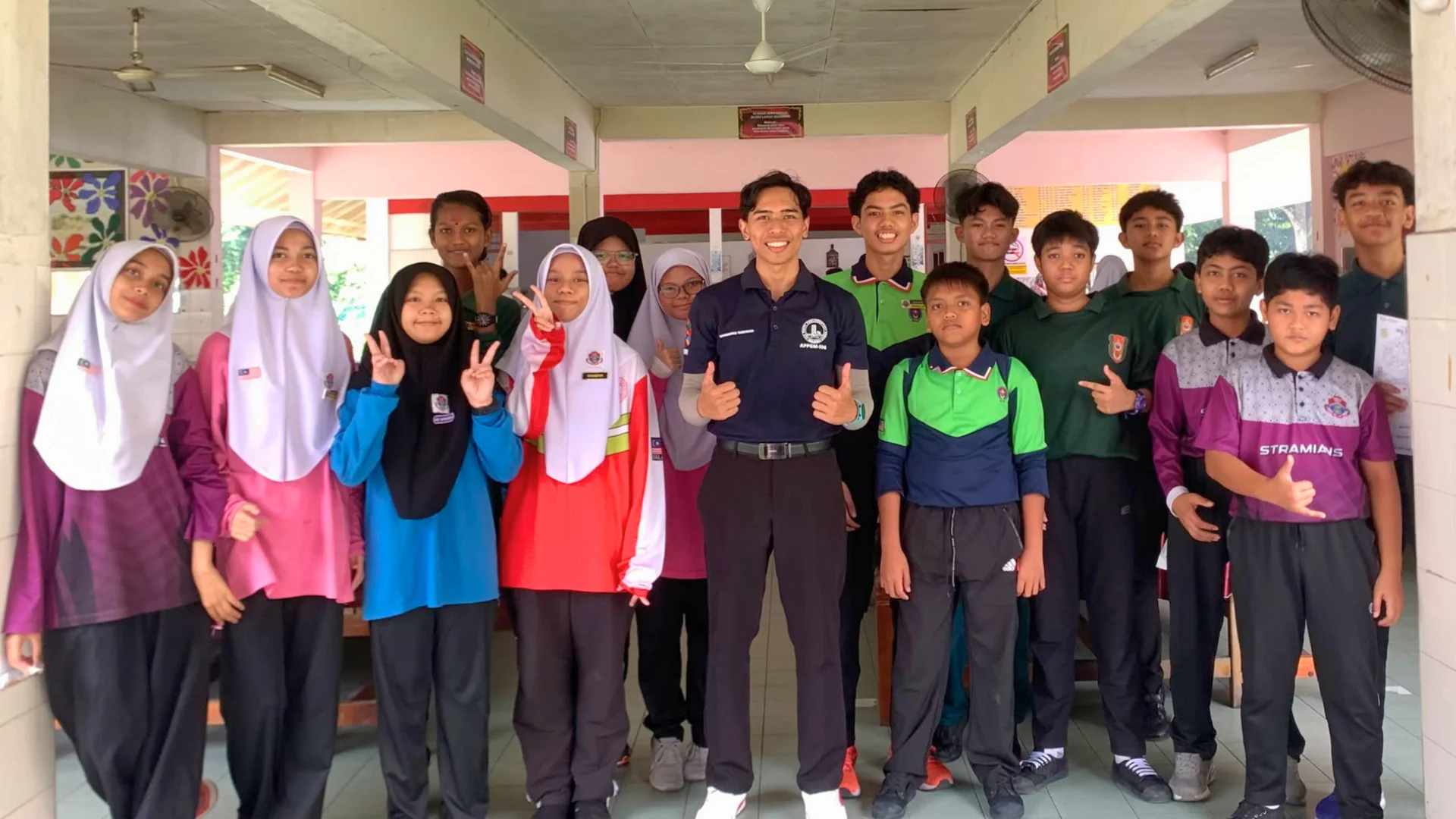
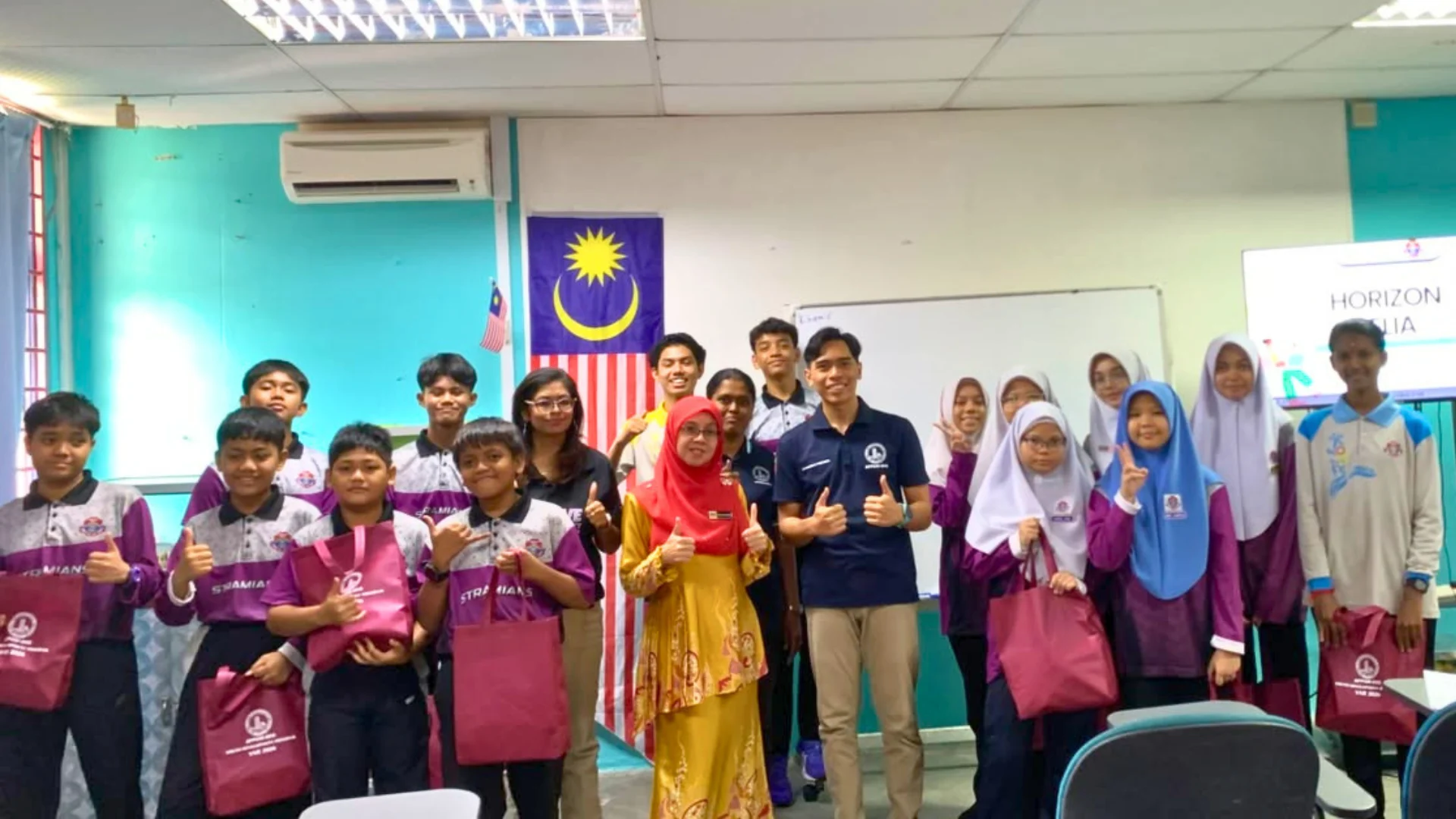
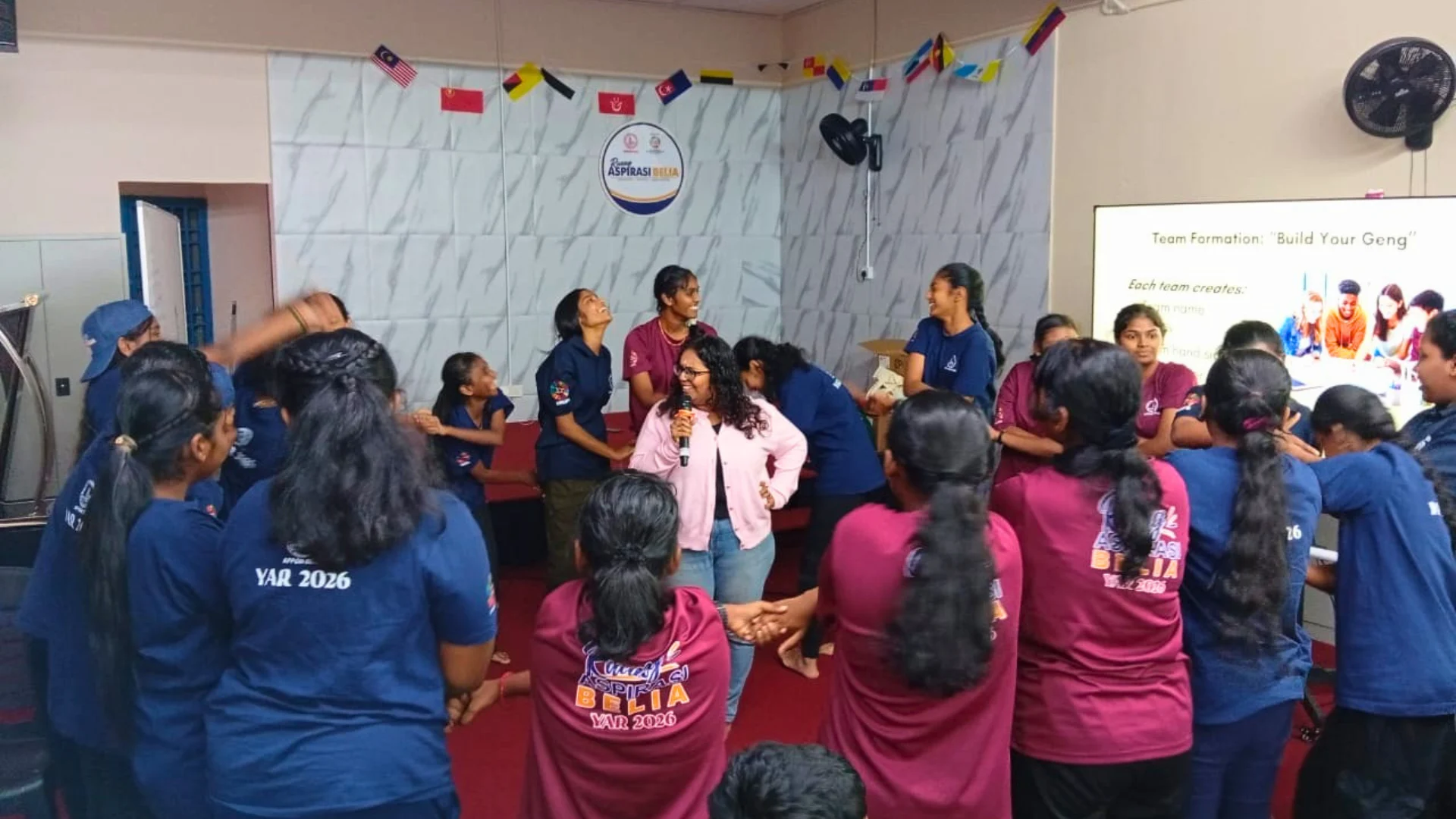
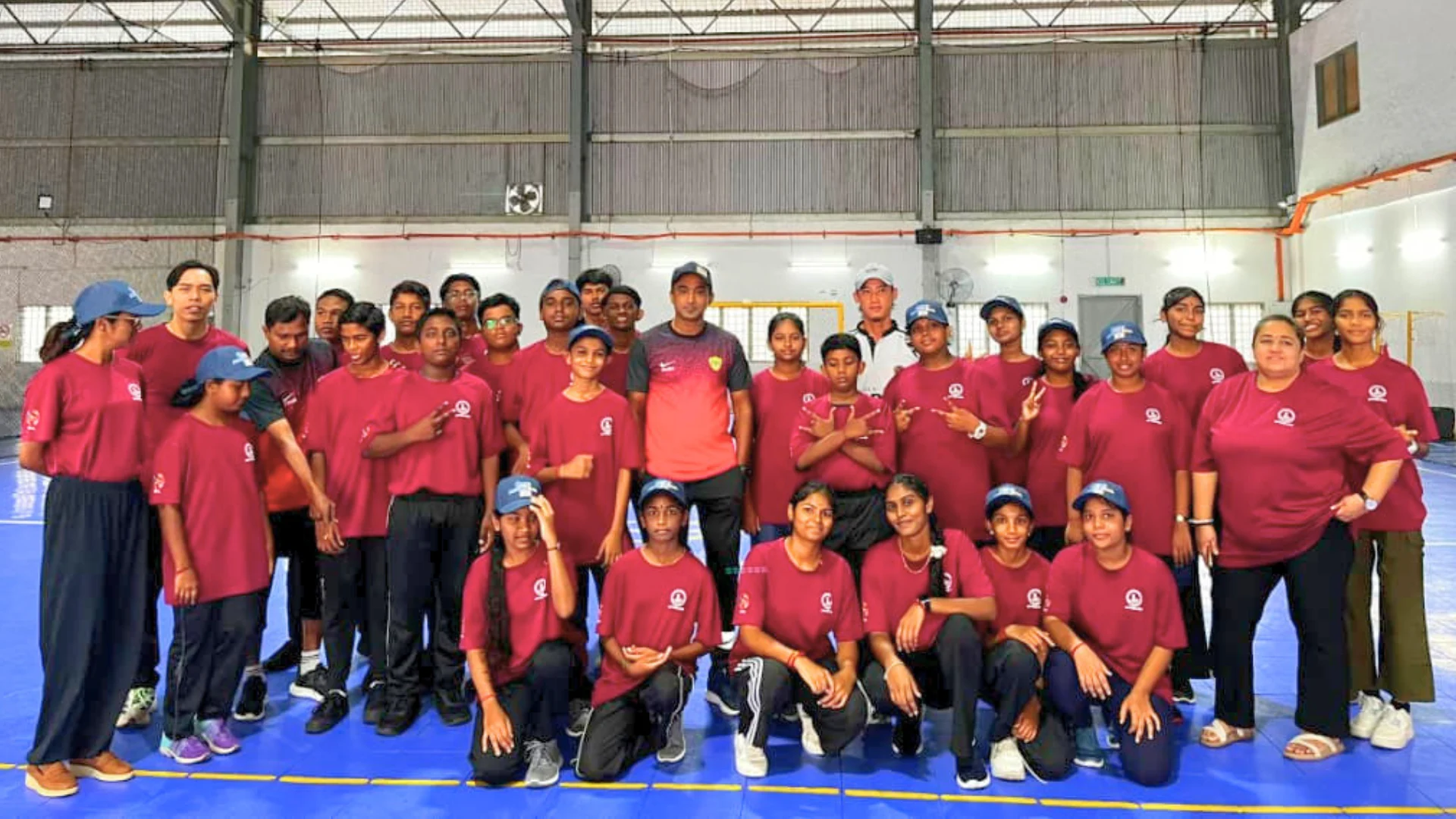
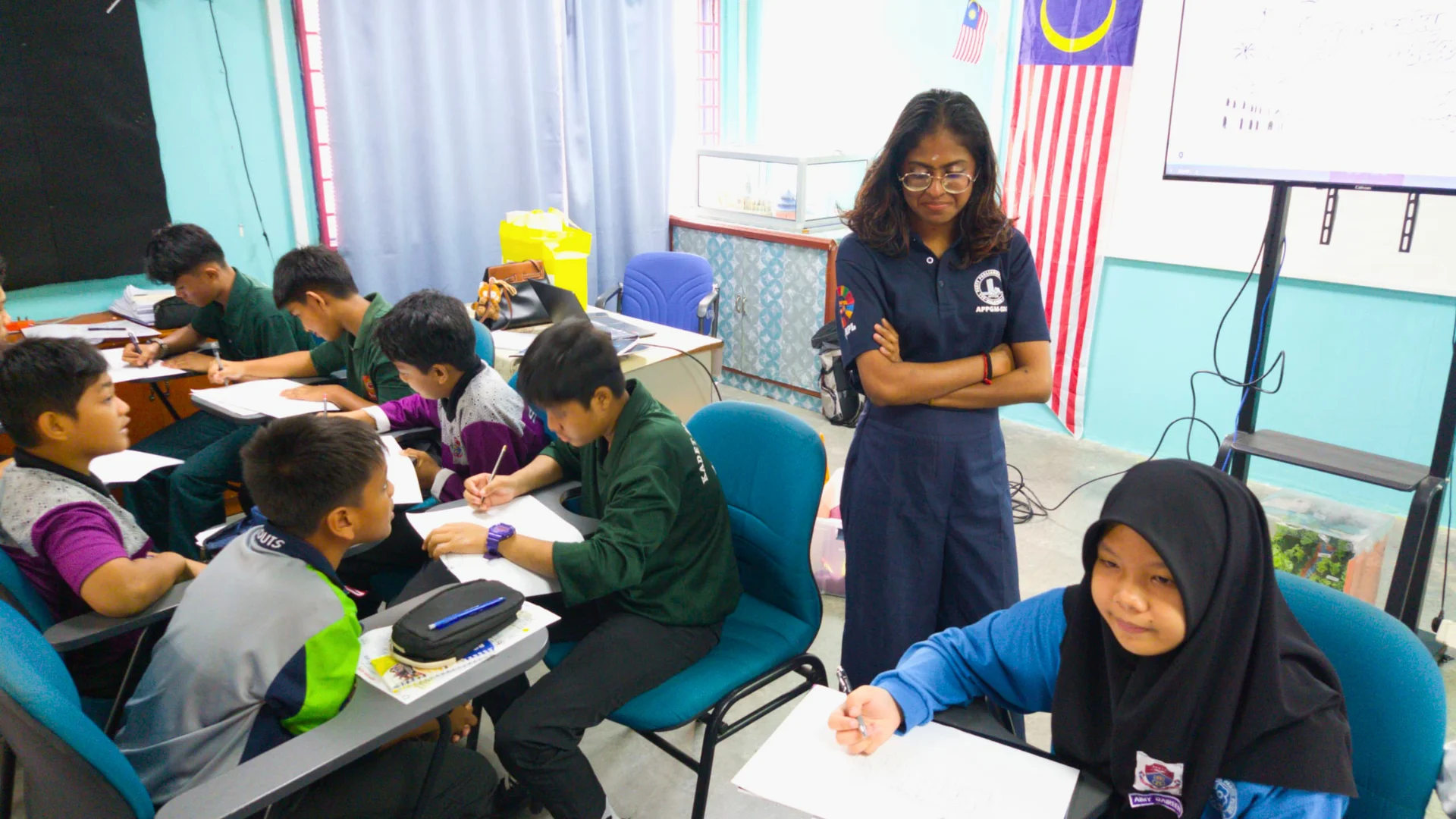
This is also where community organisations can make a meaningful contribution. Through the APPGM-SDG Youth-at-Risk initiative being developed in Ipoh, we see the potential for a model that connects personal mentoring and skills discovery with family engagement, school participation and community action. Its value must be tested through careful implementation and independent evaluation, rather than declared successful before the evidence is available.
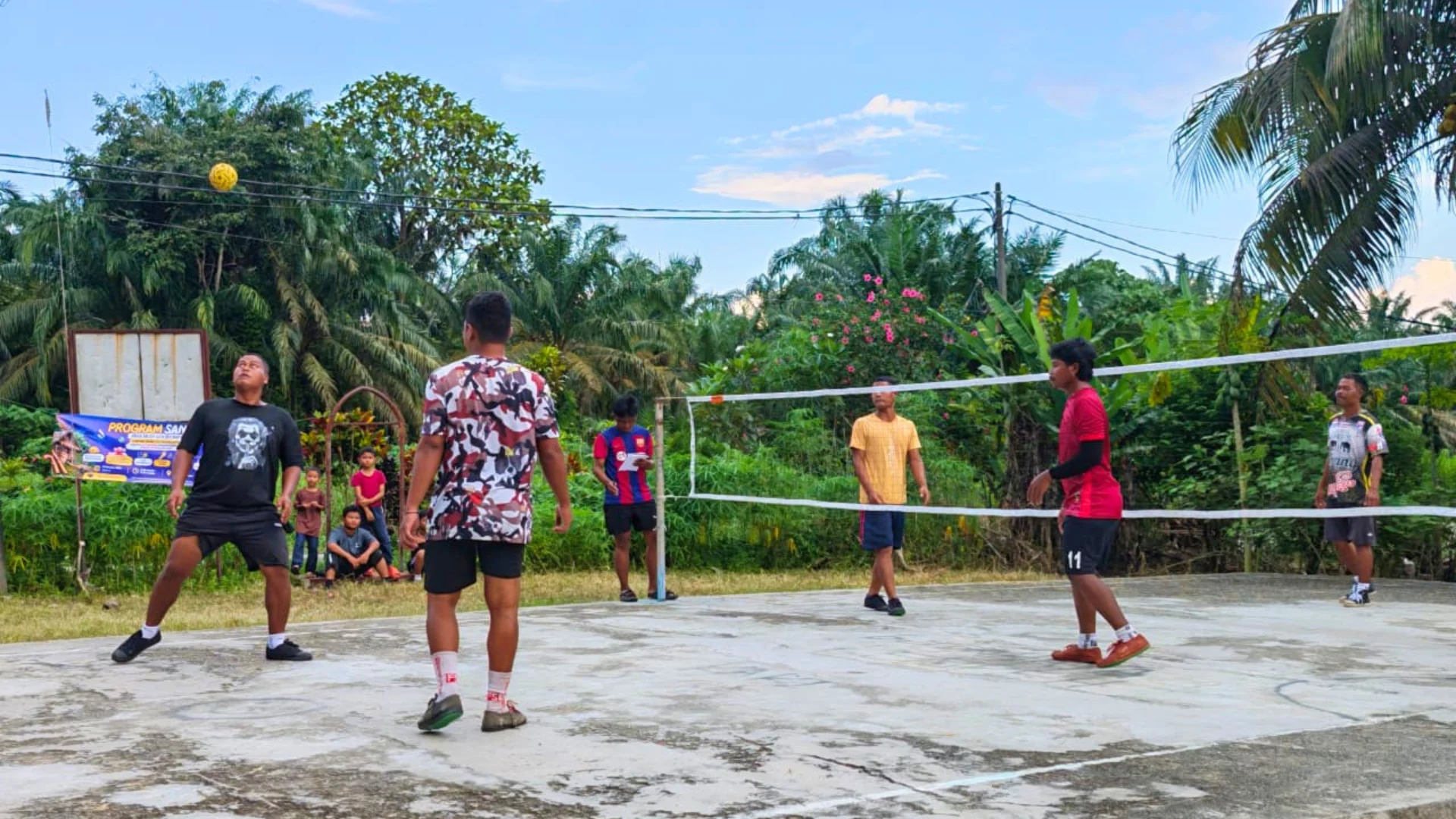
Imagine students who have been described as ‘troublesome’ being invited to identify a problem in their neighbourhood and organise a response. They might run a junior sports program, develop a community garden, help older people use digital services or lead a local recycling effort. They would not merely collect rubbish under adult instructions; they would investigate a problem, design a solution, lead a team and report on the results.
This kind of experience can change how young people see themselves, from problems to be managed into citizens capable of solving problems. Parents, local authorities, community groups, industries and schools should all be part of that journey.
A practical national pilot could bring together selected schools, professionally supervised support teams and community partners over three years. It should monitor attendance, school retention, student well-being, behaviour, family participation and progression into further education or accredited training. We must measure lasting changes in young lives, not merely the number of seminars organised or photographs taken.
Ultimately, the purpose of education is greater than examination success. It is to help children become capable, compassionate, principled and productive adults. Malaysia will have succeeded when a talented future engineer, farmer, chef, athlete or entrepreneur can complete schooling with as much dignity as the future doctor or lawyer—and when a struggling student is met with support before the system gives up on them.
The measure of a good school is not simply how many A grades it produces. It is also how many young people it refuses to leave behind.
James Ryan Raj is Deputy Executive Director, All-Party Parliamentary Group Malaysia on Sustainable Development Goals (APPGM-SDG).
The views expressed are personal.